“The stream under the cliff cleanses my ears. The pine on the mountaintop fits my heart.” – Taigu Ryokan (1758-1831)
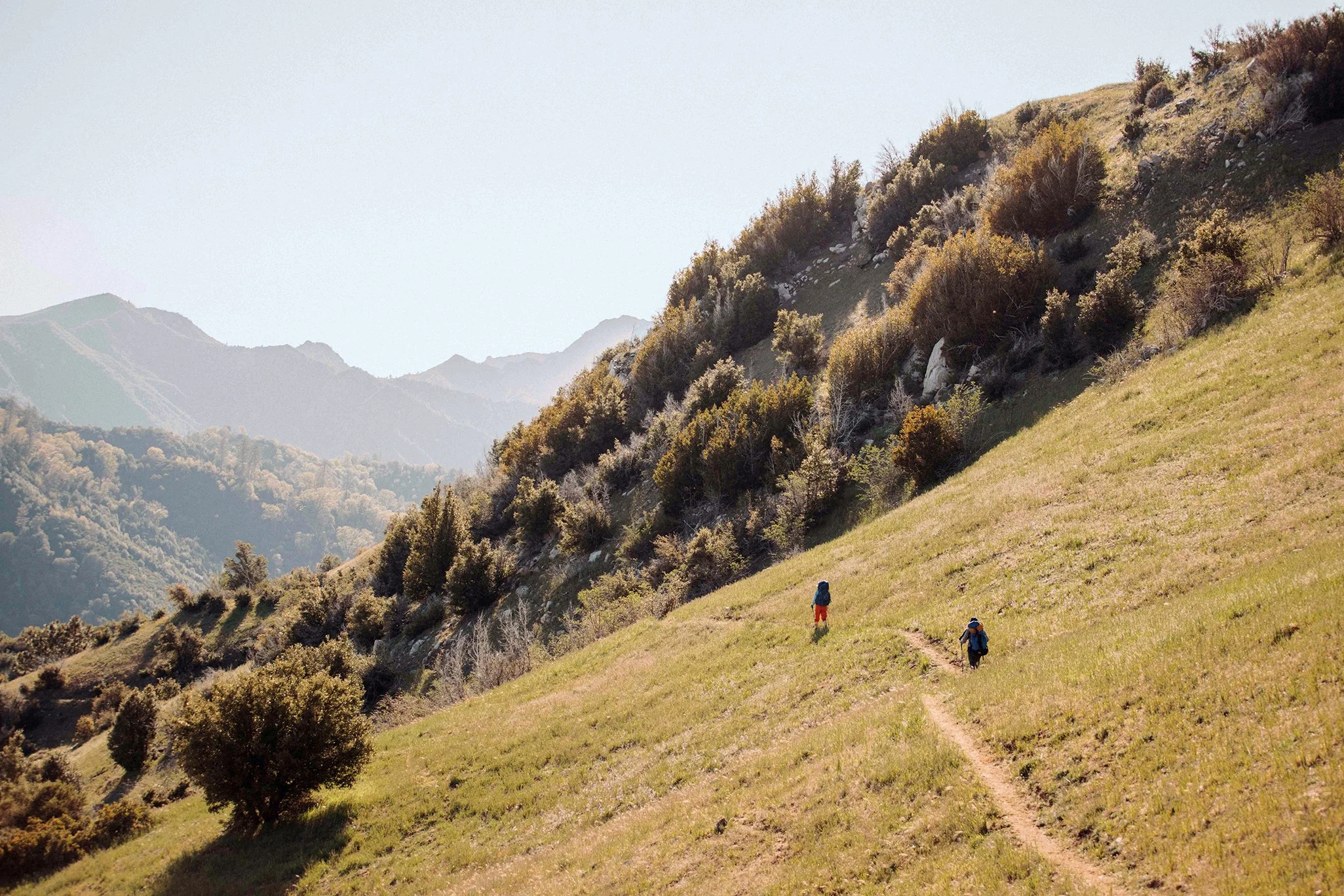
The trek to the Tassajara Zen Mountain Center is a beloved and fabled tradition. Rather than driving in—careening through the expansive Ventana Wilderness at a pace that inhibits meaningful contact—let us take the days to walk to the monastery on foot, arriving enriched through immersion in the wild.
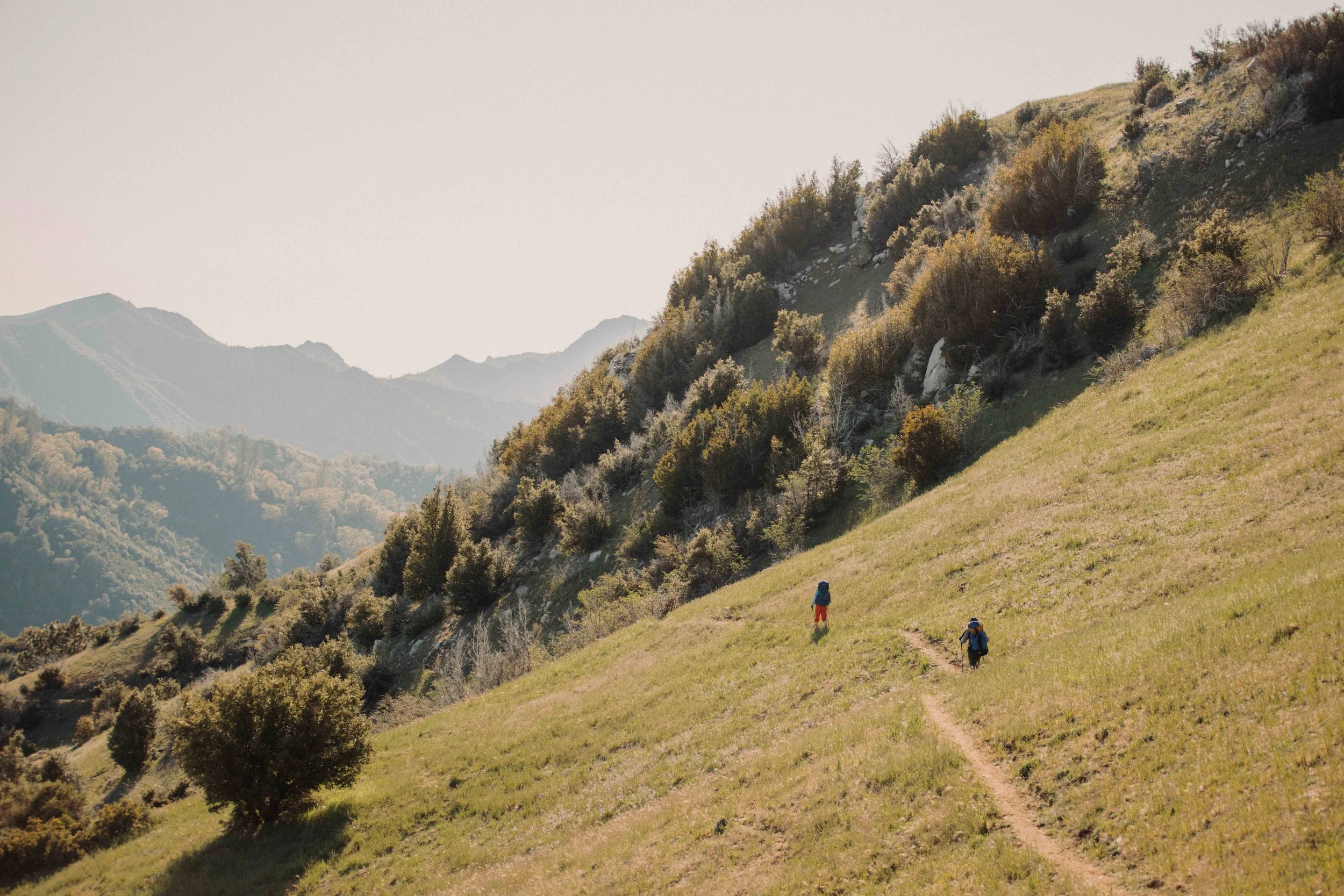
What does this wilderness immersion open or allow? Steeped in the demands and complexity of modern, daily life, it is easy for our attention to become fragmented, our inner and outer lives constrained by habits of thought, and our senses dulled. Backpacking in the wild returns us to simple, natural rhythms: sleeping on the ground, rising with the sun, carrying all that we need on our backs, walking peacefully in contact with the land for the majority of the day.
Our senses come alive again as our bodies, minds and hearts encounter the beauty and wholesomeness of the wild earth: a chorus of birds at dawn, the taste of cold spring water, full inhalations of aromatic plants, deep shade offered by an oak at midday, starlight filling the eyes at night. In this way, wilderness immersion mirrors the essence of Zen practice itself: recalibrating us to perceive the true vibrance of the world which transmits its own timeless wisdom.
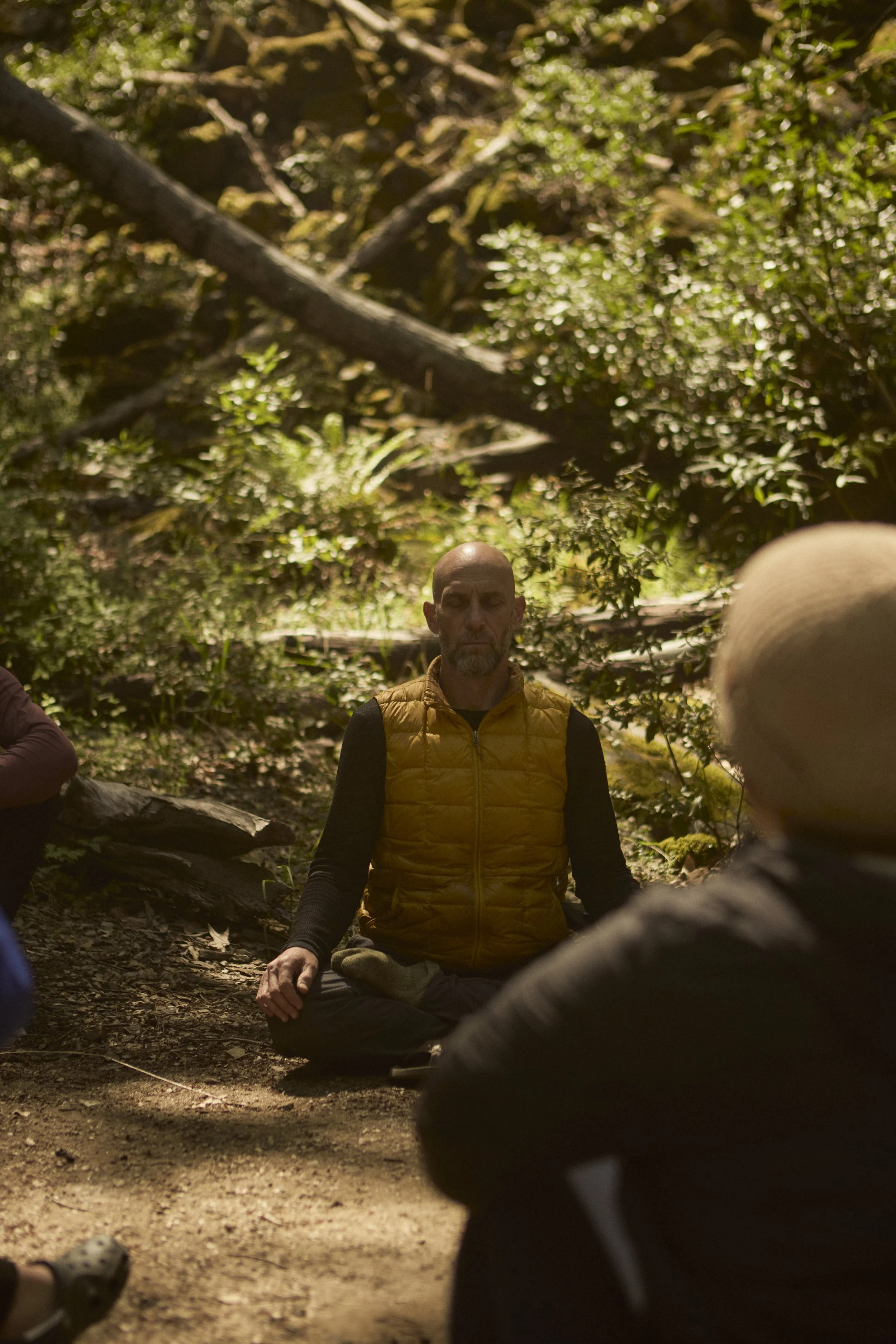
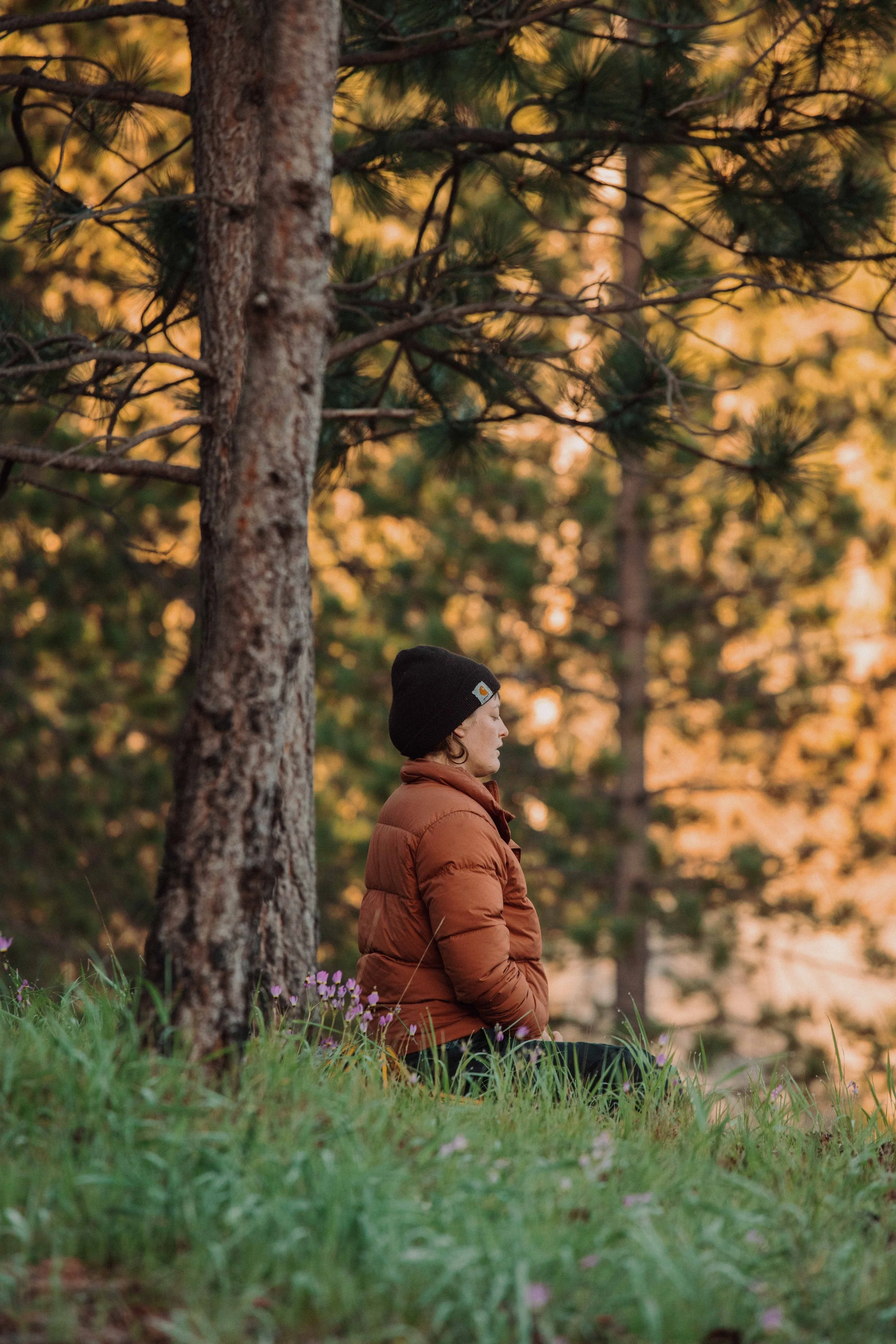
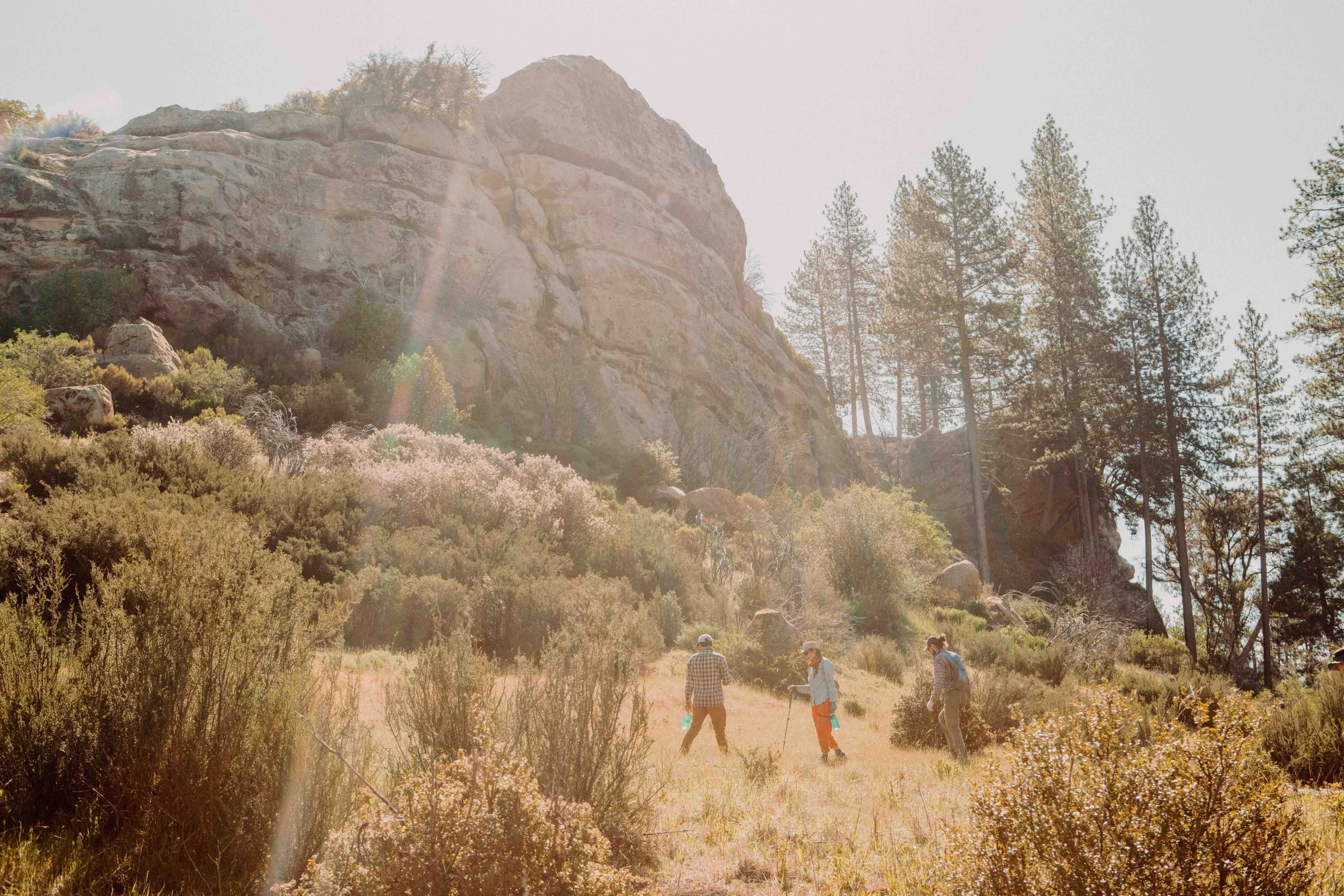
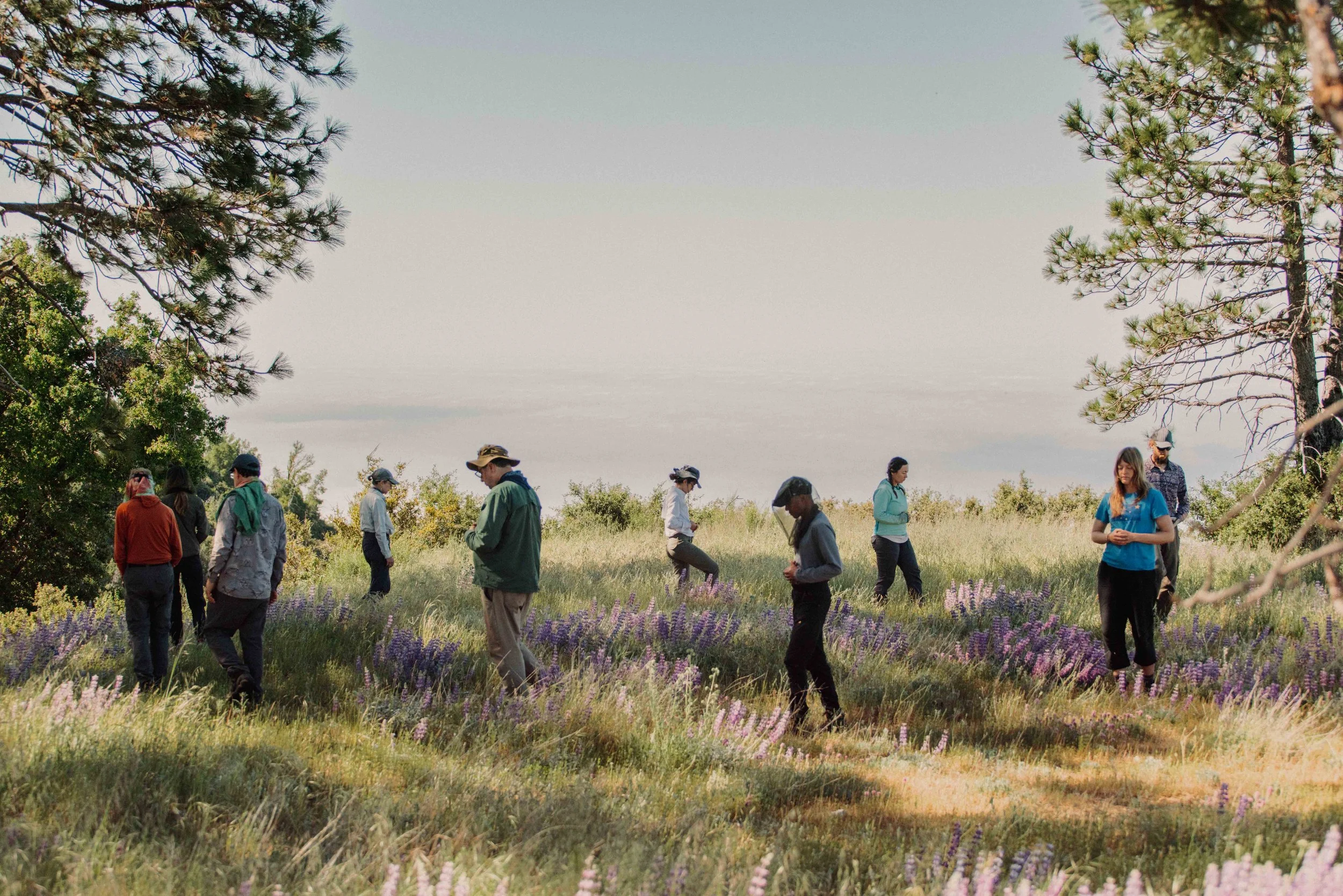
Our four-day backpacking journey into Tassajara moves through the ancestral lands of the Esselen People and the eastern heart of an expansive, biodiverse wilderness—grounding us in a rich historical, cultural, and ecological context before we enter the Zen Mountain Center. Walking in a small group (up to twelve participants) in the spirit of pilgrimage, our days are shaped by intention: mindful silence on the trail, group check-ins and dharma discussions that form us into a Sangha (spiritual community), and awareness practices (including daily Zazen meditation) that attune us with ourselves and this potent landscape.
Drawing on their engaged, respective backgrounds in Zen and Eco-Somatics, leaders Mike Smith and Ariel Johnson guide us across both wild and perceptual thresholds, offering simple practices and insights that support reconnection with the Earth, our animal bodies, our senses, our hearts, and our naturally calm and spacious minds.
By the time we arrive at the monastery gate, we have been polished to a shine by our wild wanderings—alert, radiant, and ready to enter fully into the depth of practice offered in Tassajara’s enchanted valley. We then spend two nights at Tassajara dedicated to integration, sinking into the monastery's offerings of meditation, serenity, and community. When it is time to return home, may we carry this radiant awareness with us, meeting our ordinary lives and the challenges of our time with more clarity, presence, resilience, and care.
Zen or wilderness/backpacking experience is not required. Please see eligibility criteria below and let us know if you have questions about your ability to participate.
Meet Your Guides

Ariel Johnson
Ariel Johnson is an embodiment facilitator specializing in trauma-informed somatic practices. As a guide with Wildtender, Ariel supports participants to meaningfully immerse in the California wild, and to cultivate deeper relationships with the broader web of kinfolk. A practitioner of meditation and mindfulness practices, she is a dedicated student of Gestalt Awareness Practice in the lineage of Christine Price, as well as grief tending with Francis Weller. With extensive training in ballet and modern dance, yoga (E-RYT 500), and Gyrotonic Level 1, she helps students cultivate greater presence and intuition in their connections with self, community, and the earth-body. Ariel is a Wilderness First Responder.
Growing up in Japan, Washington, and California, Ariel inherited from her father a deep love of the natural world through camping and hiking. Now living with her family in Pacific Grove, California, she finds joy in studying natural history, literature, and Japanese tea ceremony.
Mike Smith
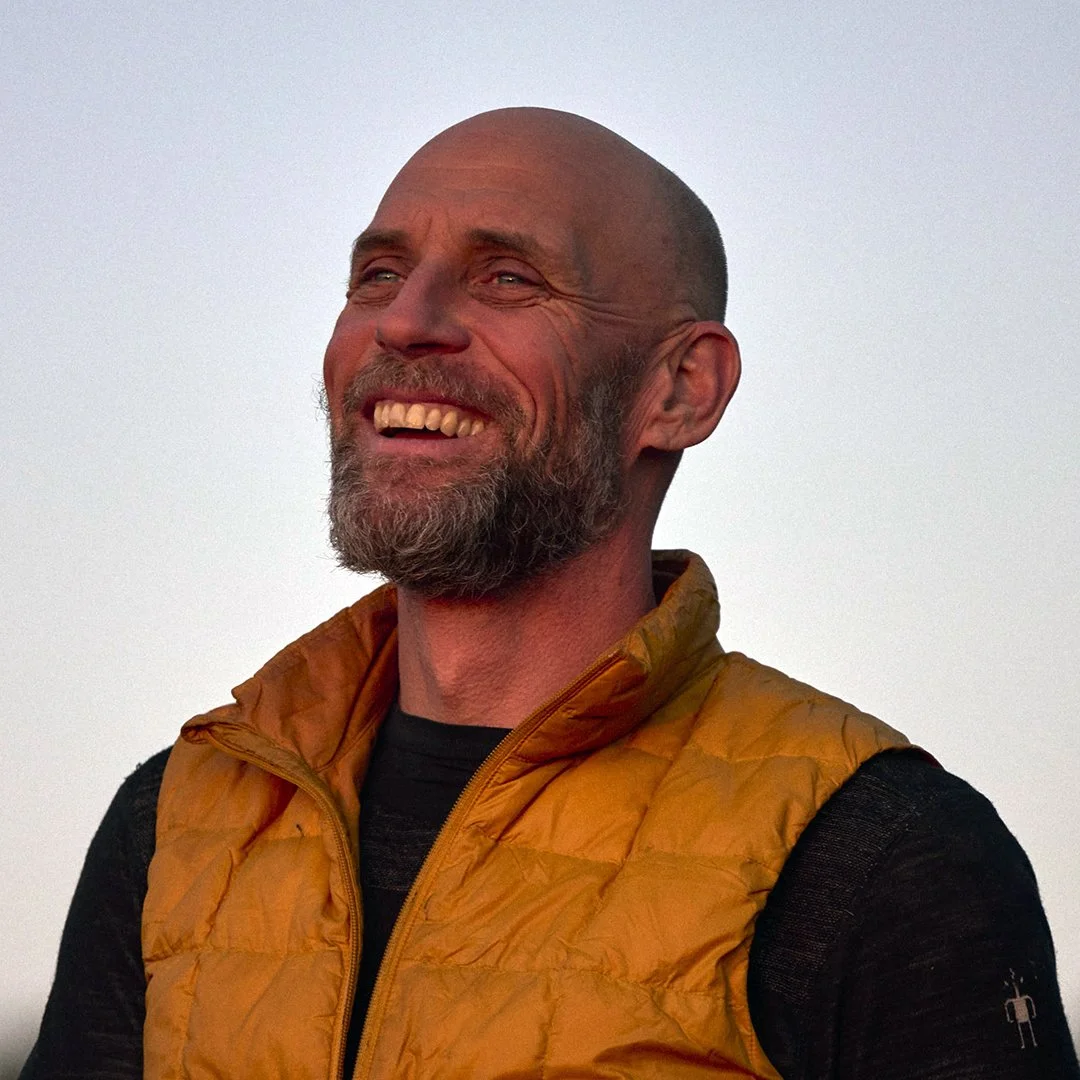
Mike is a Soto Zen Buddhist priest in the lineage of Suzuki Roshi. He lived in the Ventana Wilderness as a monk at the Tassajara Zen Mountain Monastery where he was shuso, or head monk, in the fall of 2024. Mike also served as the Director of San Francisco Zen Center’s City Center temple. Mike is a devout backpacker and brings to Wildtender’s backpacking pilgrimages a love of the untamed that stretches back to his time as a young waterman growing up in coastal Connecticut. He has been lucky enough to explore the islands of Hawai’i, the Inca Trail, the Cascades, the Oregon coast, and many National Parks. You can find him walking about Big Sur, the Sierras, and Santa Cruz.

Tassajara’s founder Suzuki Roshi lecturing in the original Zendo (c. 1968)
About Tassajara Zen Mountain Center
Fifty years ago, Zen first took root in California in an enchanting monastery deep in the Big Sur backcountry – the Tassajara Zen Mountain Center.
Founded in 1967 by the luminous Japanese Zen teacher Suzuki Roshi as an extension of the San Francisco Zen Center, Tassajara was the first Zen Buddhist monastery and among the first Buddhist monastic communities established in the western world.
Established on traditional, unceded lands and waters sacred to the indigenous Esselen people, Tassajara has been a sanctuary for generations of monks, and many centuries of people seeking healing and wisdom. For more about the relationship between Tassajara and the Esselen Tribe, go here.
In the spring and summer of 2026, Tassajara will open its gates for curated retreats known as “Sangha weeks”. Wildtender is honored to be among the select few groups participating in this tradition. With its serene accommodations, nourishing hot springs, sumptuous vegetarian meals, expansive wilderness, and Zen practice in the traditional meditation hall, Tassajara encourages a more spacious and present way of being in the living world.
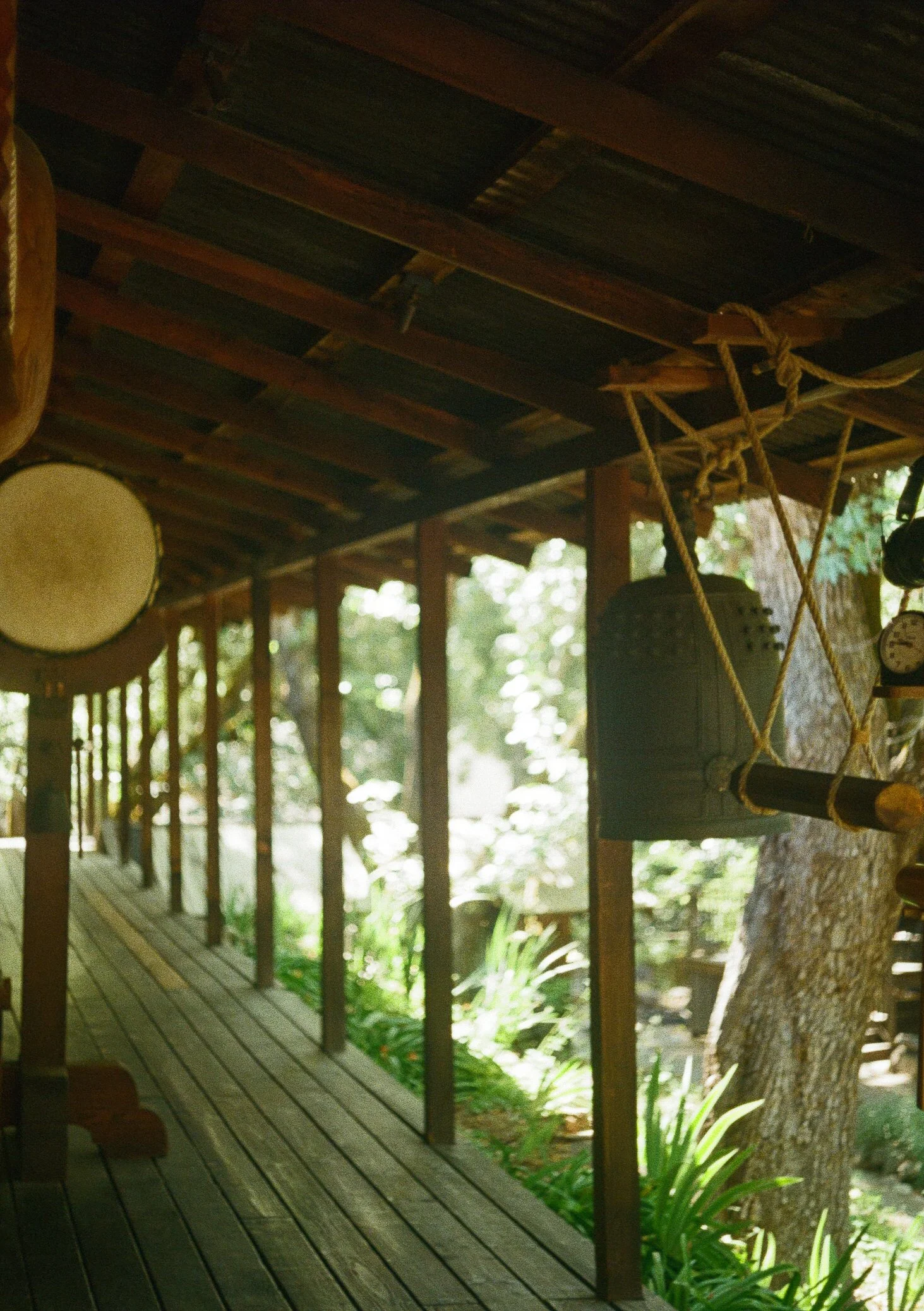

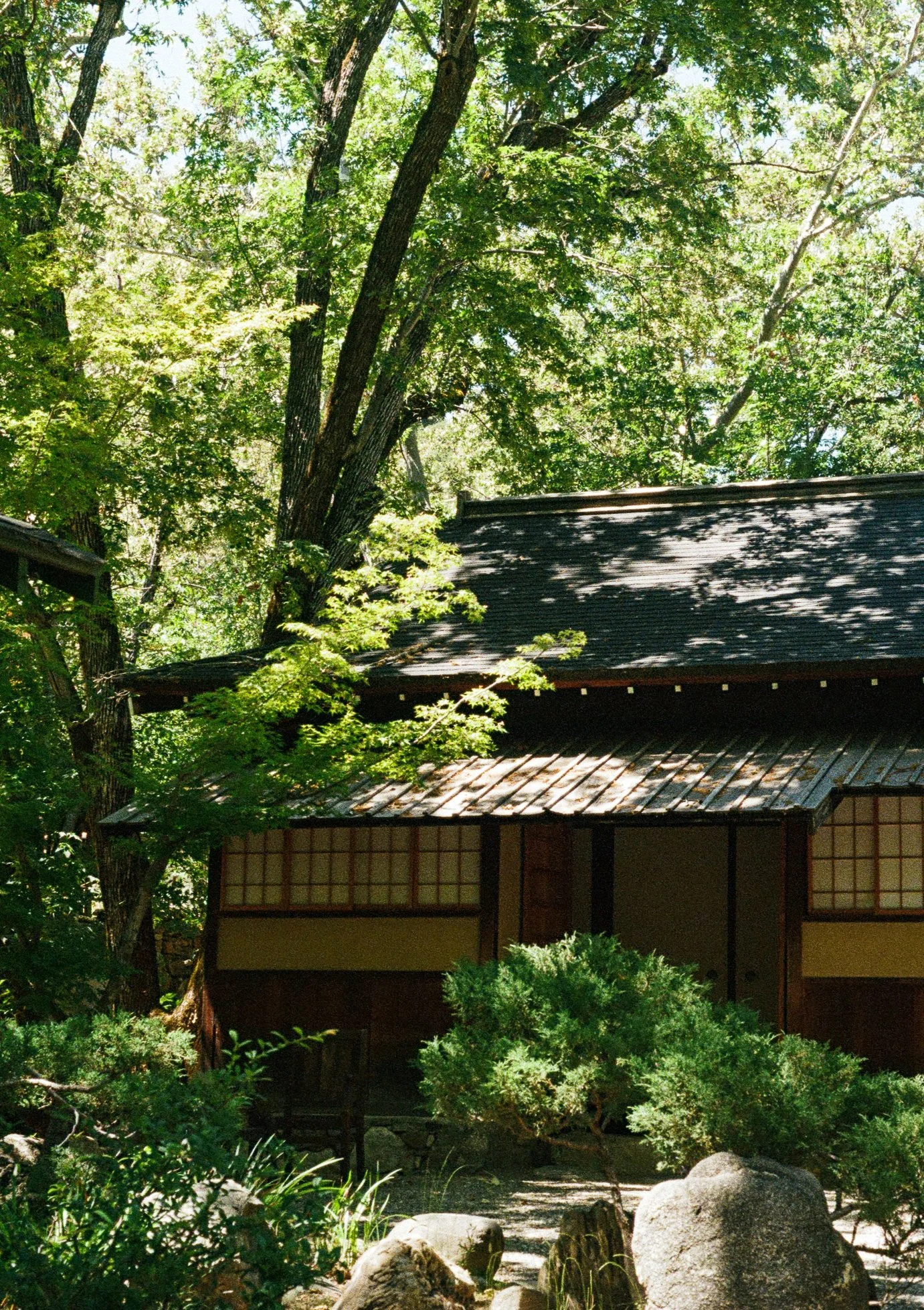

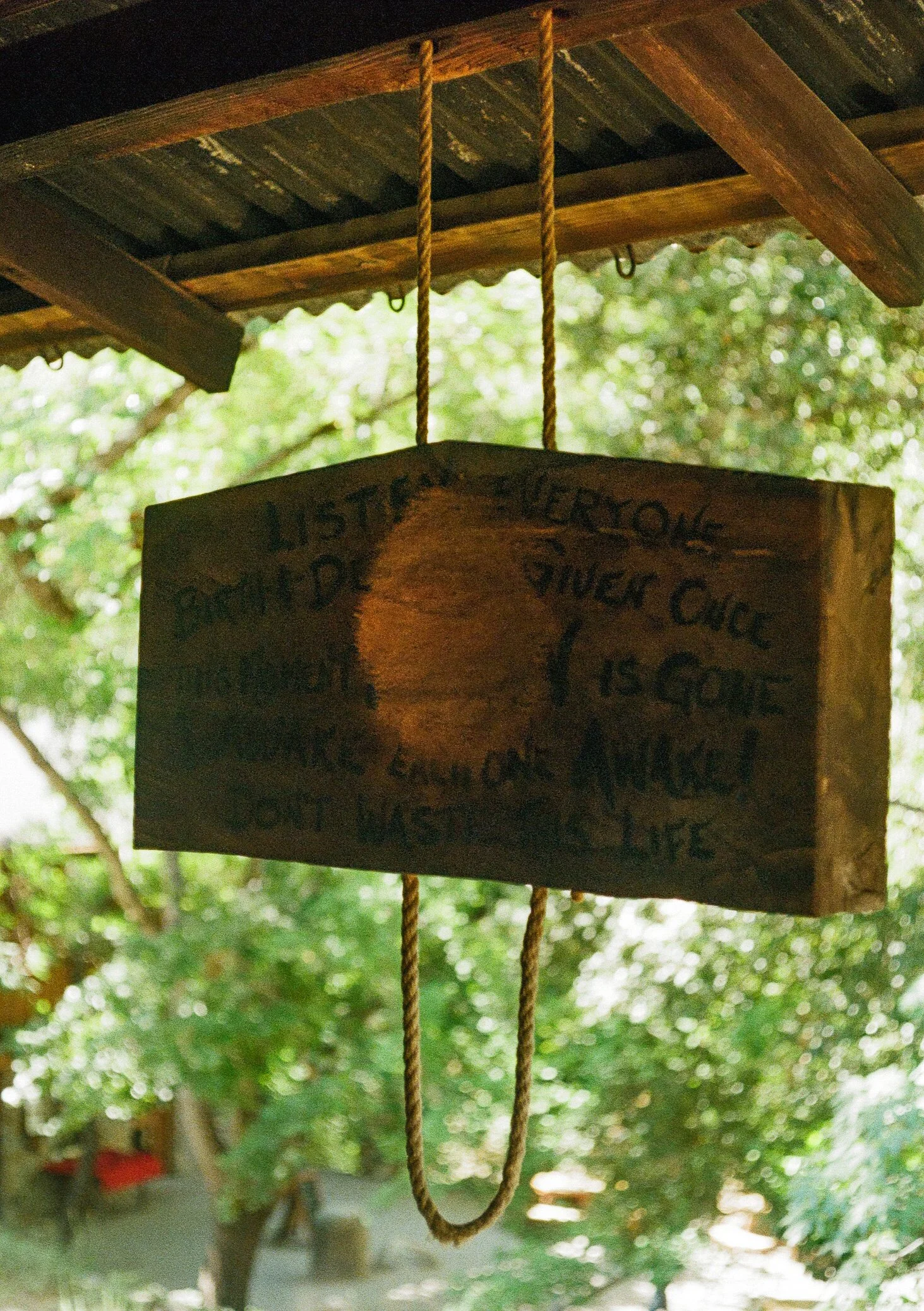
Additional photos from Tassajara Zen Mountain Center.
Program Itinerary
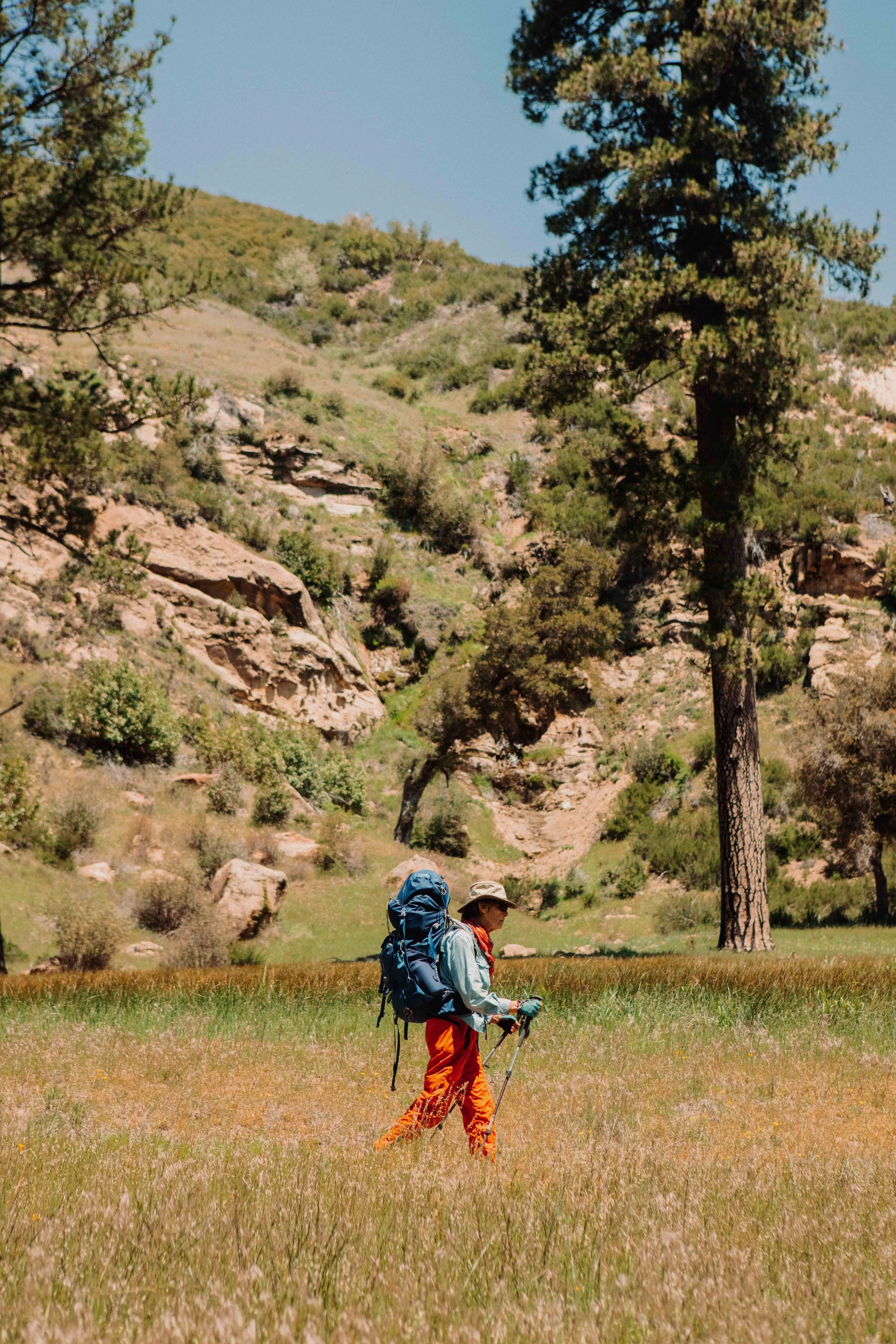
The majestic and biodiverse trails that await us in the Eastern Ventana Wilderness were made millennia ago by the Esselen People to cross their ancestral lands – for trade, for harvest, for ceremony. Long before that, deer, mountain lions, grizzly bears and antelope cut similar shapes into the land with their hoofed and padded feet on pilgrimages of their own. We share the trail with all who have gone before, and all who will come after, renewing it as we walk.
Our wilderness journey will unfold over three nights and four days, and conclude at Tassajara for two nights of shared retreat. The thru-hike below covers ~24.2 miles in total (including optional full-day hike on Day 2).
Day 1 | Saturday, May 30th| Meet in Carmel Valley, cover essential orientation and equipment checks, and begin our backpacking journey into the Ventana Wilderness. Arrive at camp and set up our home base for the next two nights.
Estimated mileage for the day: ~5.2
Estimated elevation gain/loss: +800’/-2000’
Day 2 | Sunday, May 31th|Full hiking day in the Ventana Wilderness after morning Zazen. Learning from and about the land. Practicing together and with the place. (This day includes an optional full-day hike from camp, as we will not be switching campsites tonight.)
Estimated mileage for optional day hike: ~9.4
Estimated elevation gain/loss: +1500’/-1500’
Day 3 | Monday, June 1|Continuing to immerse into practice and place. After morning Zazen at camp we will continue our journey towards Tassajara by backpacking through enchanted oak woodlands towards our new camp for the evening.
Estimated mileage: ~5.0
Estimated elevation gain/loss: +750’/-1200’
Day 4 | Tuesday, June 2|Our last day of hiking together, we will close our time in the backcountry and complete our wilderness journey to Tassajara Zen Mountain Center. We will arrive in the afternoon for orientation to our retreat, dinner, Zazen in the meditation hall, hot springs and rest.
Estimated mileage: ~4.6
Estimated elevation gain/loss: +900’/-2000’
Day 5 | Wednesday, June 3| Full day and night at Tassajara including Zen instruction and practice, hot springs baths, delicious vegetarian meals and tea, and free time. Meet together as a Sangha to share stories and integrate our time together in the wilderness.
Optional mileage: ~0.75
Day 6 | Thursday, June 4|Half-day at Tassajara, including morning Zazen, breakfast, group closing session, and lunch. Depart by shuttle in the afternoon, arriving back in Carmel Valley to retrieve personal vehicles by 4:00 PM.
Seasonal Considerations
Late May and early June at Tassajara Zen Mountain Center and in the surrounding Ventana Wilderness is a vibrant and beautiful time. Long, sun-drenched days and abundant wildflower blooms fill the landscape with light and life. As the season transitions toward summer, there are a few notable seasonal considerations to be aware of—specifically, the potential for heat and insects.
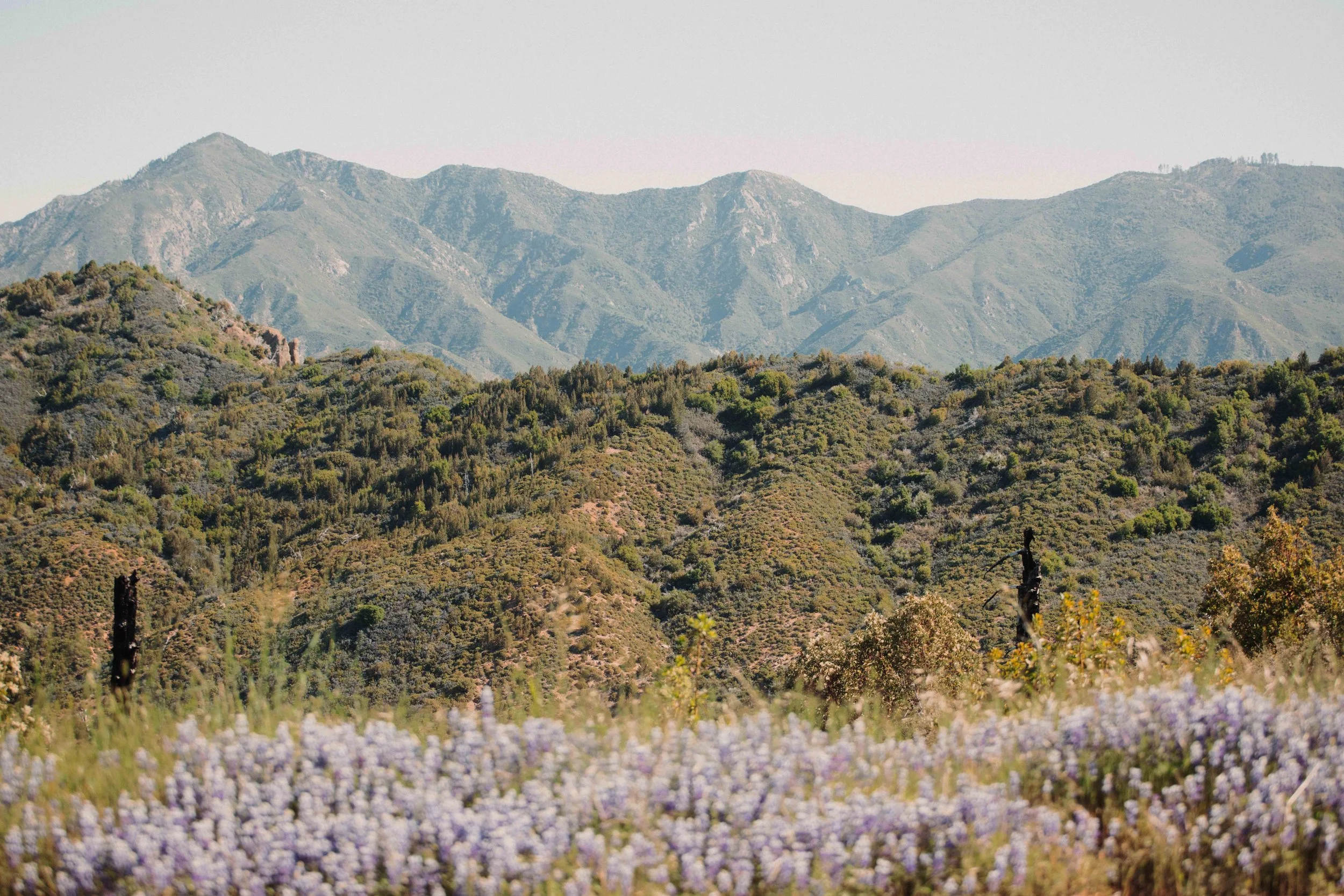
Weather in the Santa Lucia Mountains can change quickly at any time of year; however, for our time together we expect predominantly hot, dry days. It’s important to be prepared for sunshine, wind, and the occasional rain—though rainfall is significantly less common by May. As spring turns into summer, daytime temperatures typically range from 75–85°F, with nighttime temperatures between 45–55°F. While we will not be at Tassajara during its hottest months, daytime temperatures may occasionally rise to 90°F.
Insects such as flies, mosquitoes, and gnats are part of the diverse ecological web of the Ventana Wilderness. During the warmer months, they can become more abundant both on the trail and at Tassajara.
Finally, as the land continues to dry out, the Los Padres National Forest will inevitably announce its annual fire ban. If the ban goes into effect before or during our program dates, we will not be able to build campfires in the wilderness.
Rest assured, these seasonal elements—heat, insects, and dryness—are not separate from the journey itself, but part of what shapes the texture and teachings of our pilgrimage. Our daily mileage will be planned with seasonal temperatures in mind. Simple preparations, such as appropriate clothing and head nets, can go a long way toward supporting comfort while respecting the wild nature of this season.
Sliding Scale Program Tuition
This program is currently full, but spots may open. Please reach out to info@wildtender.com to join the waitlist!
$1,450 – Supported Rate (covers a portion of the cost of your program)
$1,850 – Sustainer Rate (covers the cost of your program)
$2,250 – Helper Rate (covers the cost of your program and contributes some financial support for another)
$2,750 – Benefactor Rate (covers the cost of your program, contributes generously to the financial support of another, and supports Wildtender’s ongoing organizational stability)
For more transparency into our pricing, and some guidance for how to decide where you fall on the sliding scale, please see our registration page.
Further scholarship funds are available for Wildtender tuition; if interested, please see more details and apply here.
Payment plans are also available; please email us to inquire.
TUITION INCLUDES
Three-night / four-day guided wilderness pilgrimage
Guide fees – supporting facilitation in Zen Buddhist practice, natural history & ecology, kinship philosophy and practices, backpacking essentials, and relational awareness practices. (All lead guides are Wilderness First Responder Certified)
Camp meals and beverages (breakfast & dinner each day)
Shuttling costs
Shared wilderness & safety supplies (maps, satellite communication device, water filters, cooking supplies, first aid, etc.)
Resource list & preparation packet
Preliminary phone call to address any questions or concerns
Guide fees (for Wilderness First Responder certified guides)
TUITION EXCLUDES
Tassajara accommodations must be booked directly with Tassajara, and include a standard retreat fee of $220. Tassajara’s all-inclusive pricing for our two-night retreat (including meals, lodging, and access to the hot springs and zendo) ranges from ~$595-$1,100 per-person (including retreat fee) based on lodging type, occupancy, and cabin location. After registering through Wildtender, you will receive instructions on how to book at Tassajara.
Travel to and from the program
Lunches and snacks on the trail
Personal backpacking equipment. A full packing list will be supplied upon registration, but here are the essential items you will definitely need to buy, borrow or rent: hiking boots, backpacking backpack, lightweight tent, lightweight sleeping bag, lightweight sleeping pad and headlamp.
Trip insurance is strongly recommended. Please read more here.
Other Information
Terms & Conditions (including registration and cancellation terms, and program requirements)
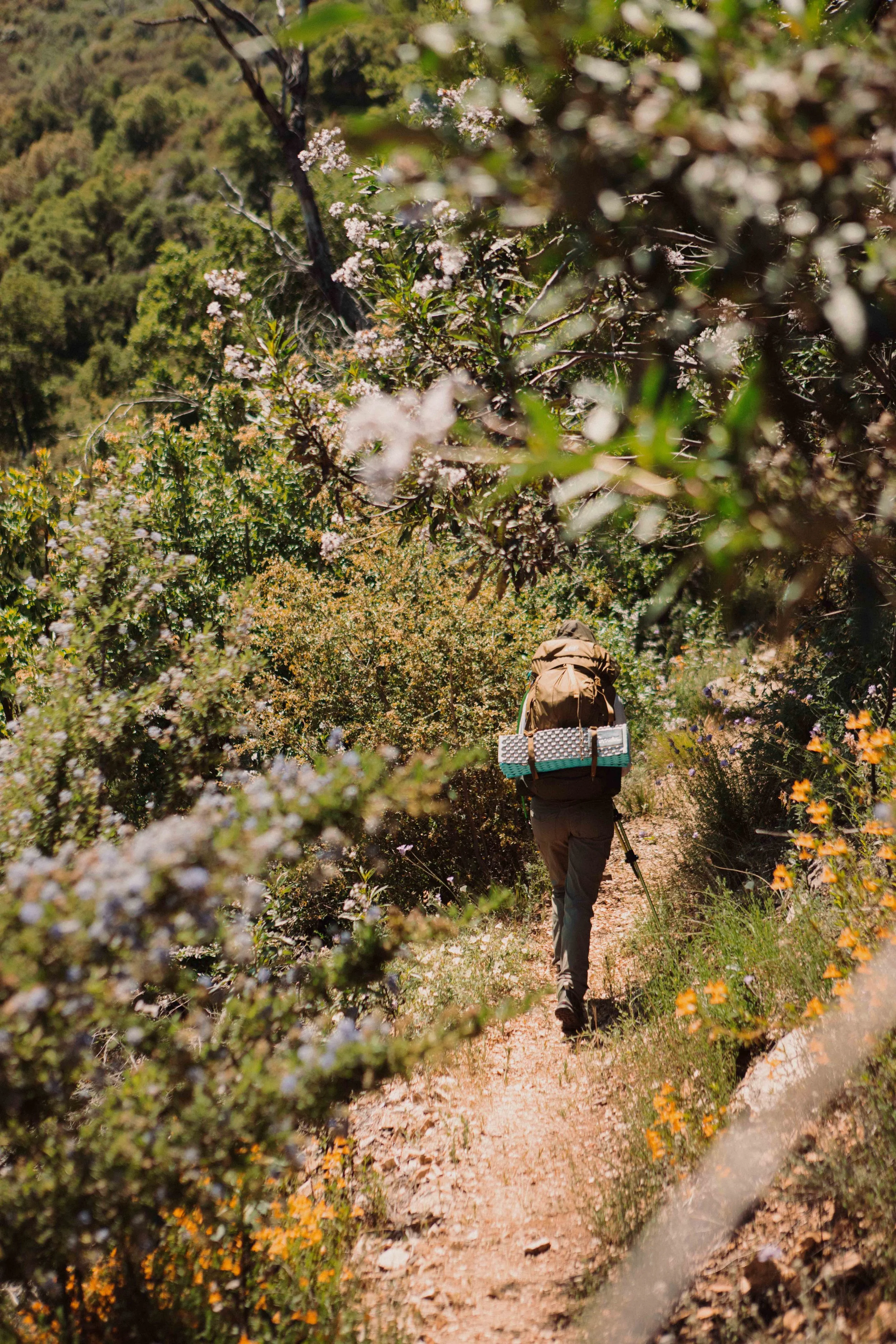
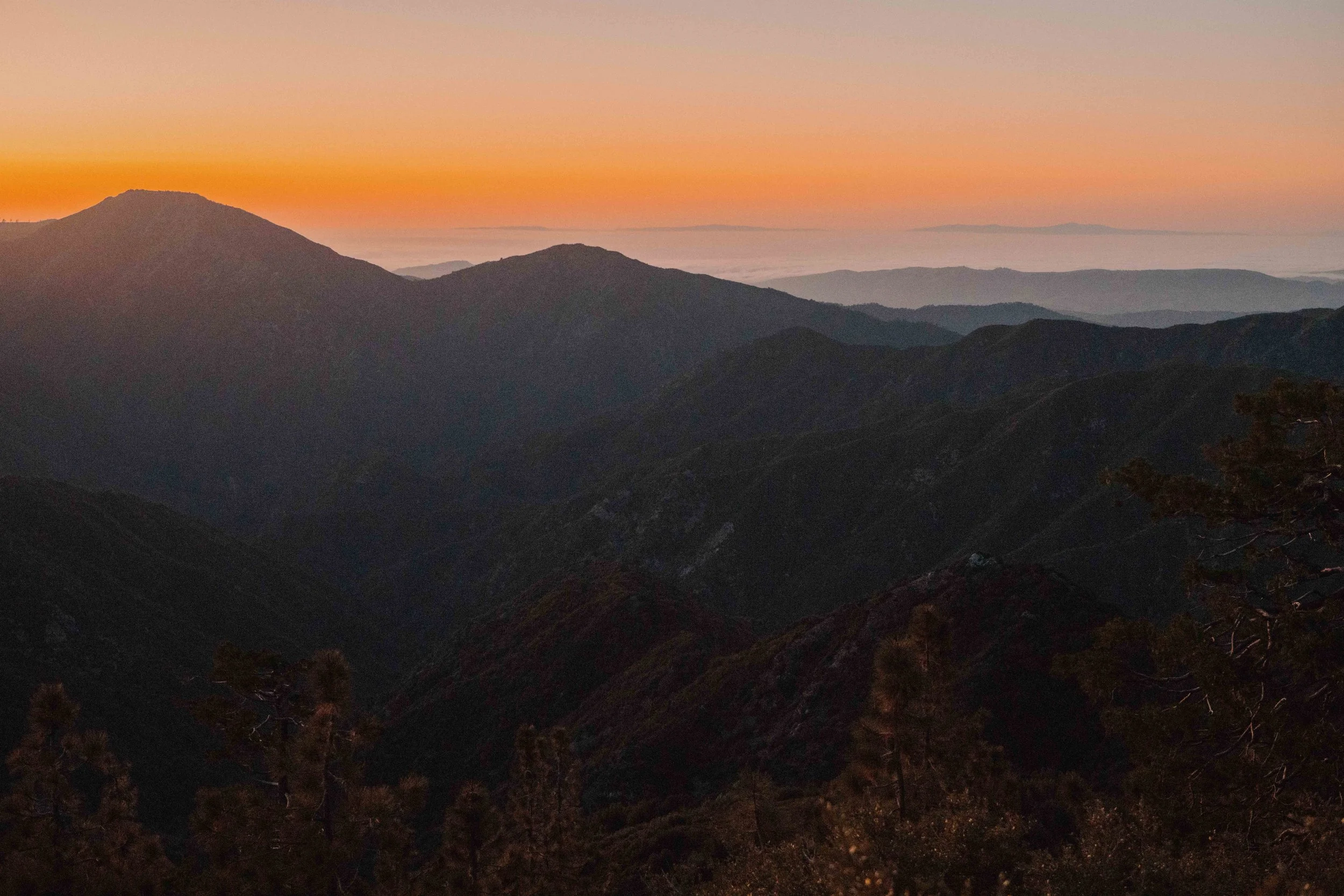
Photos from past Pilgrimages
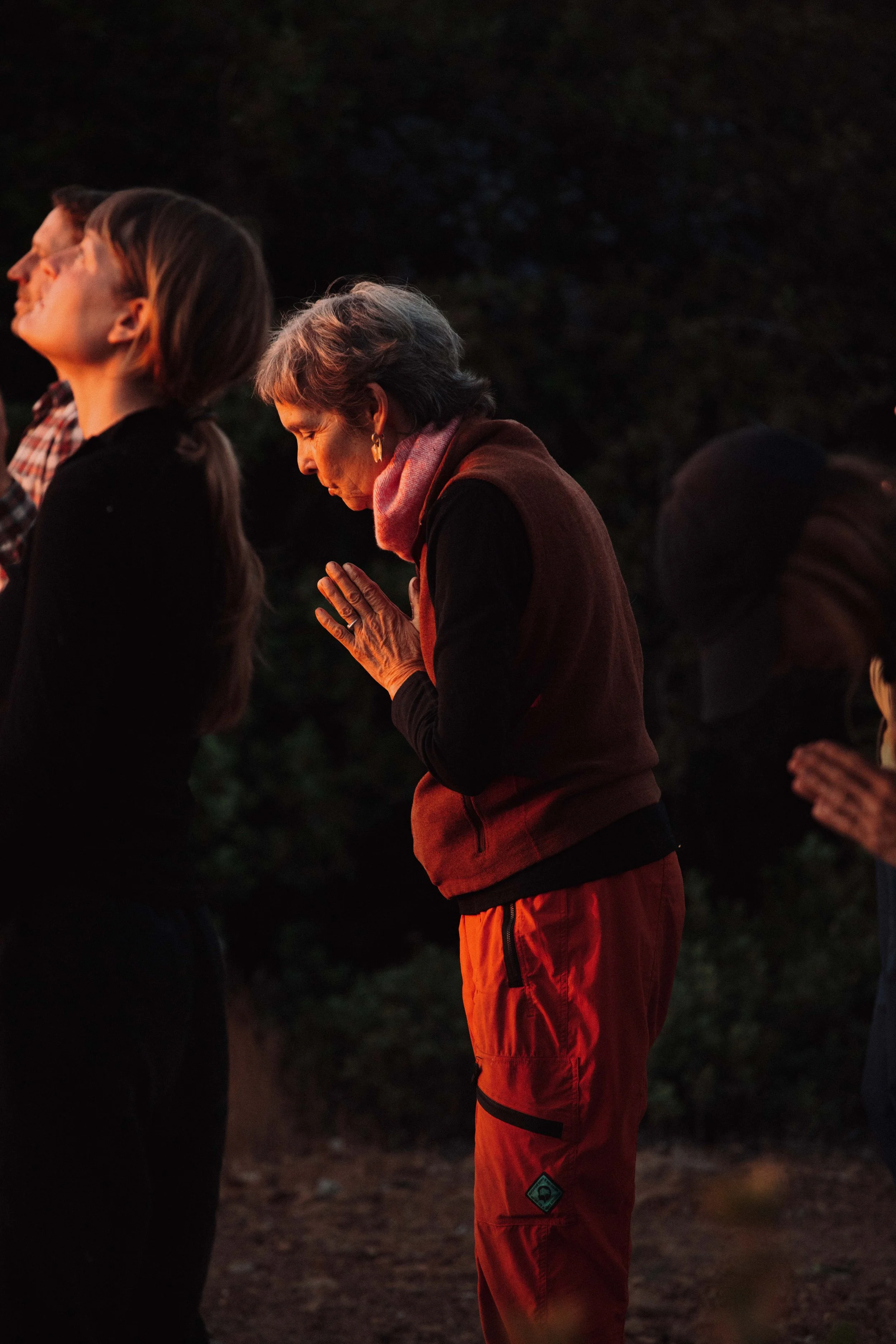
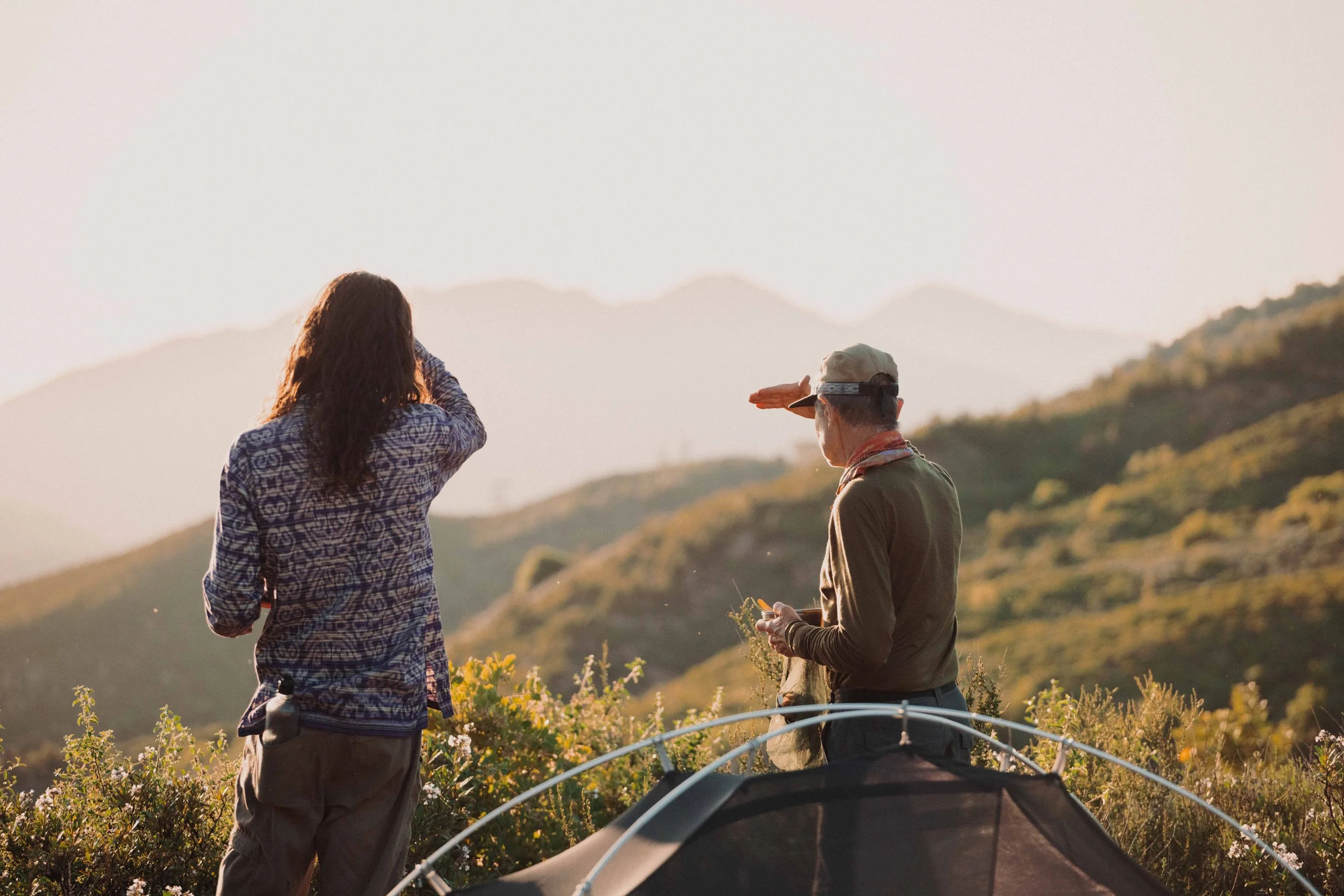
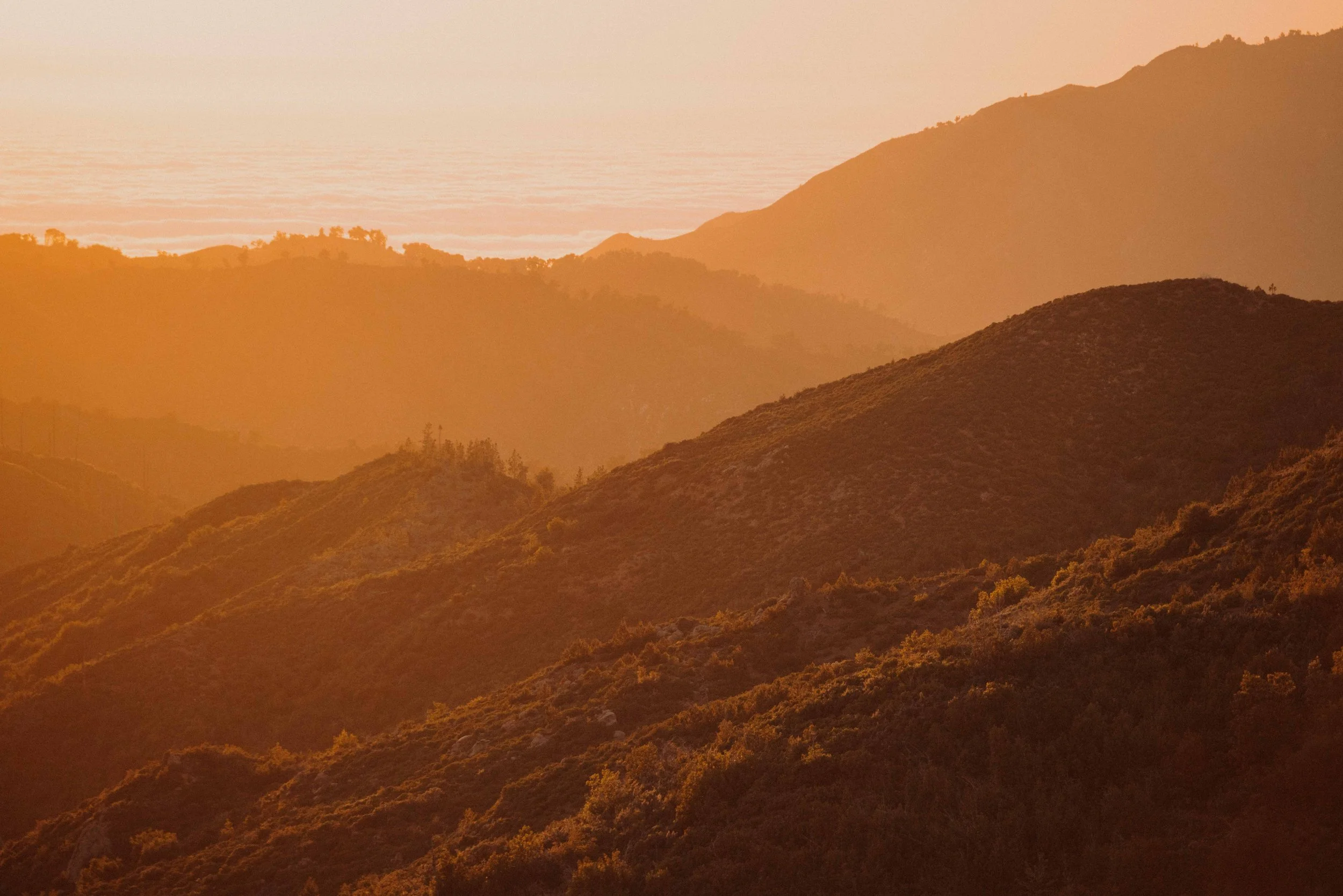
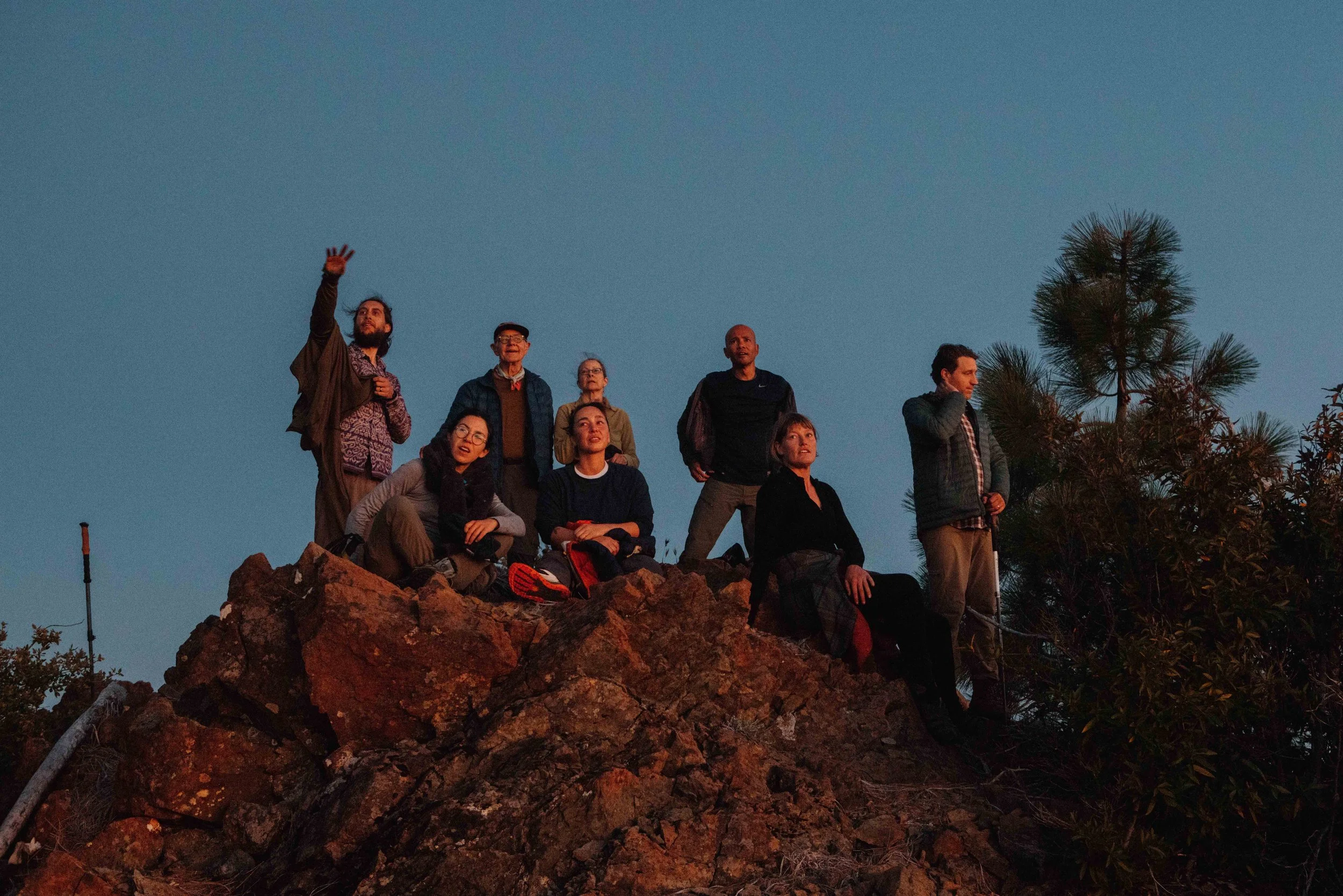
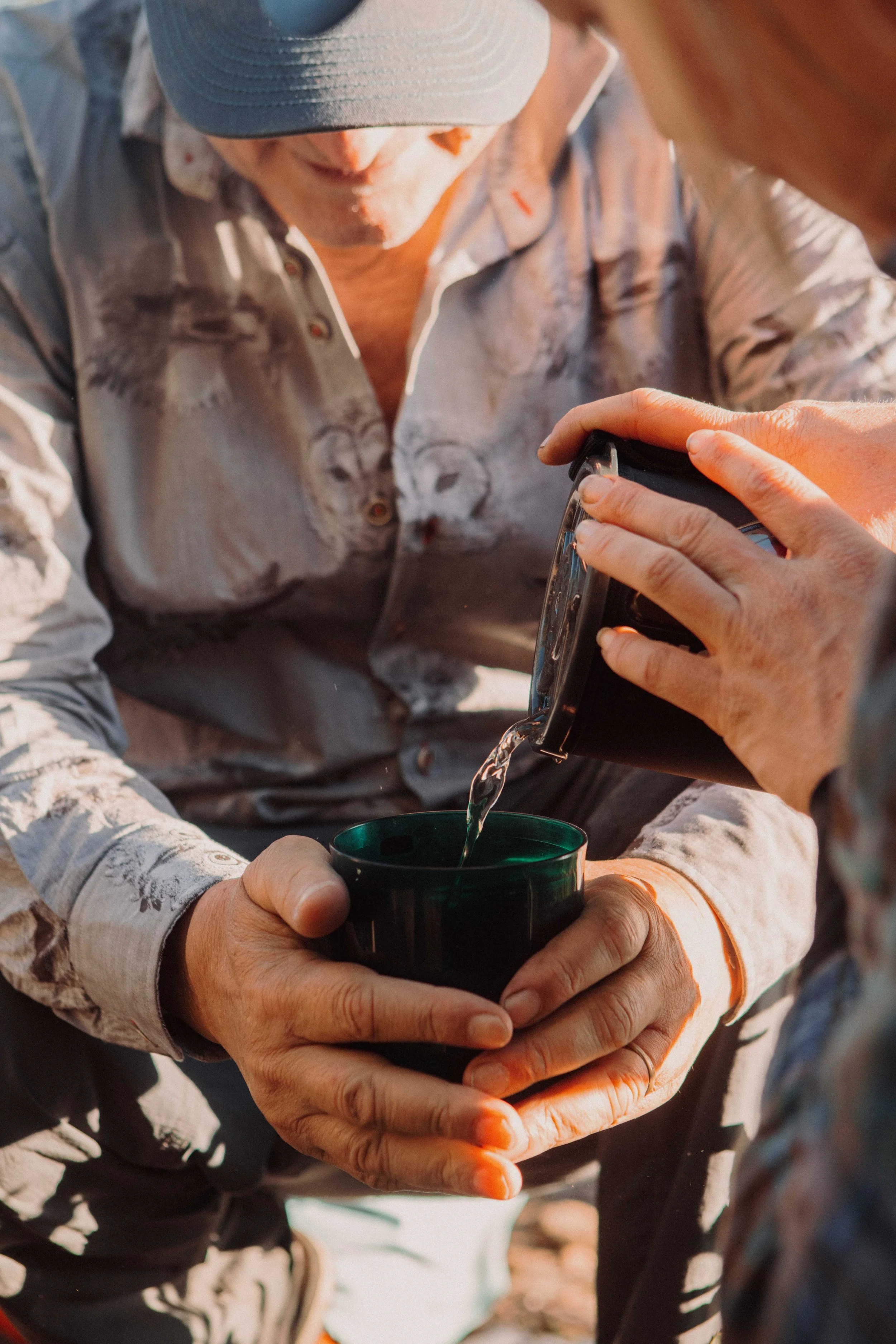
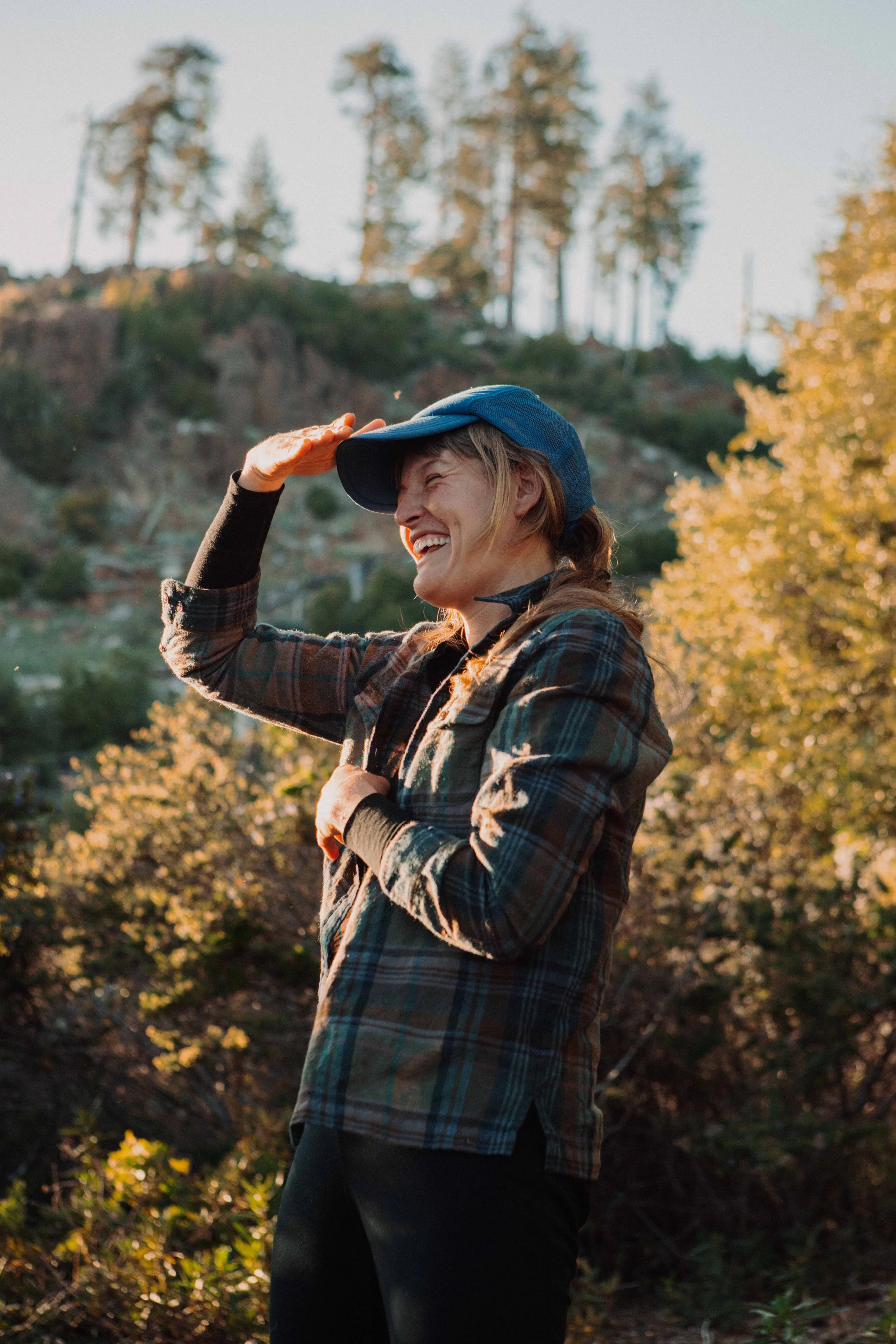
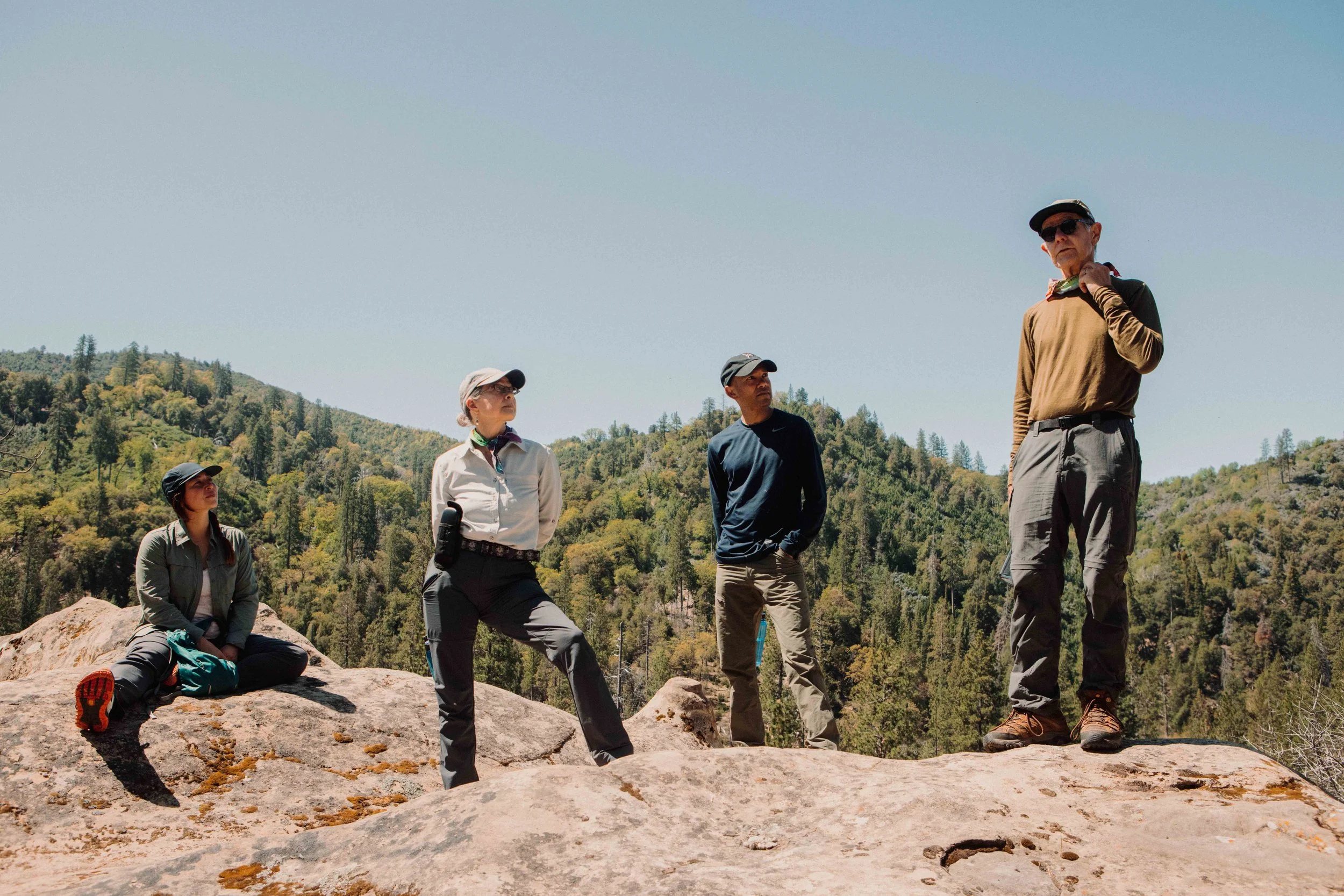
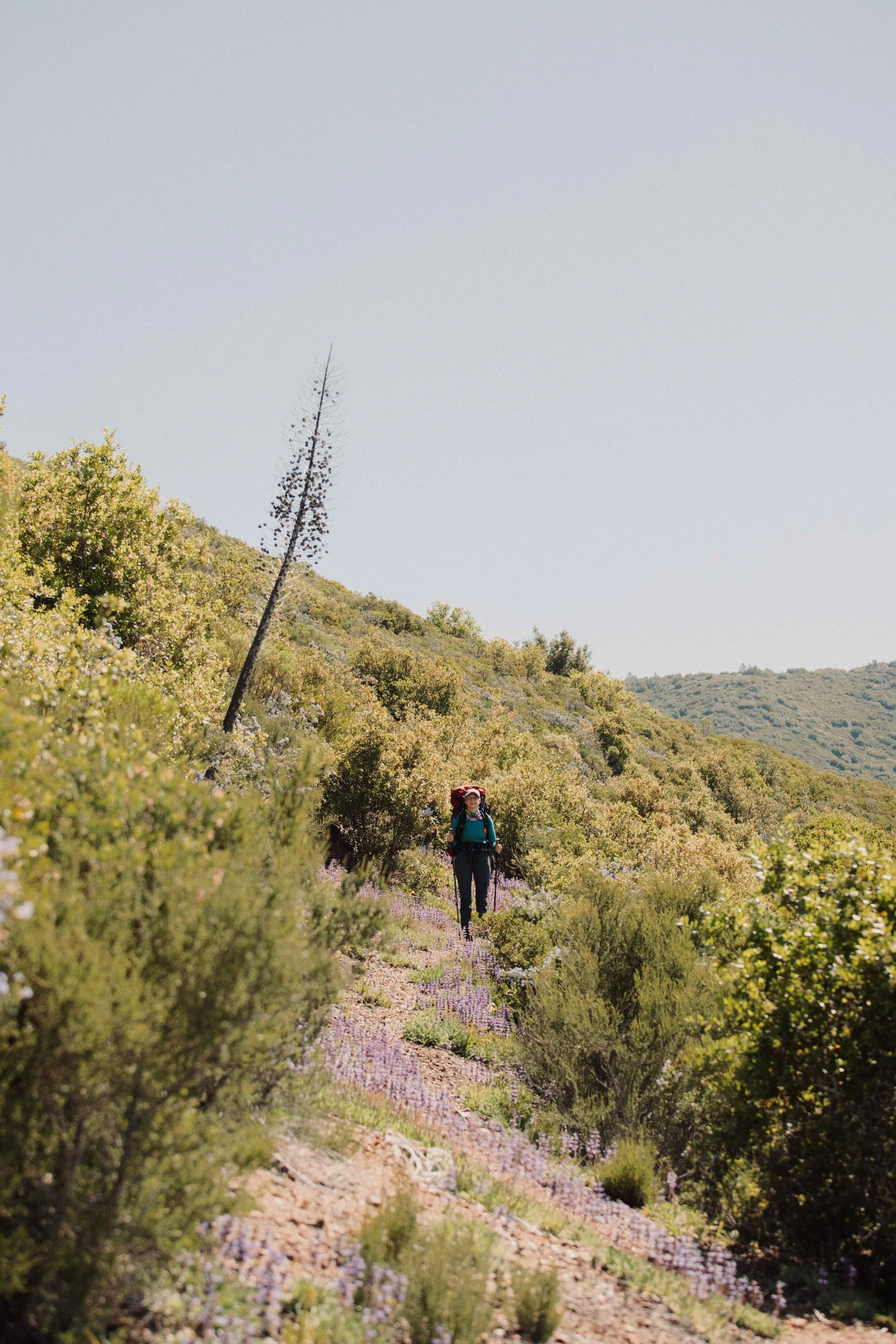
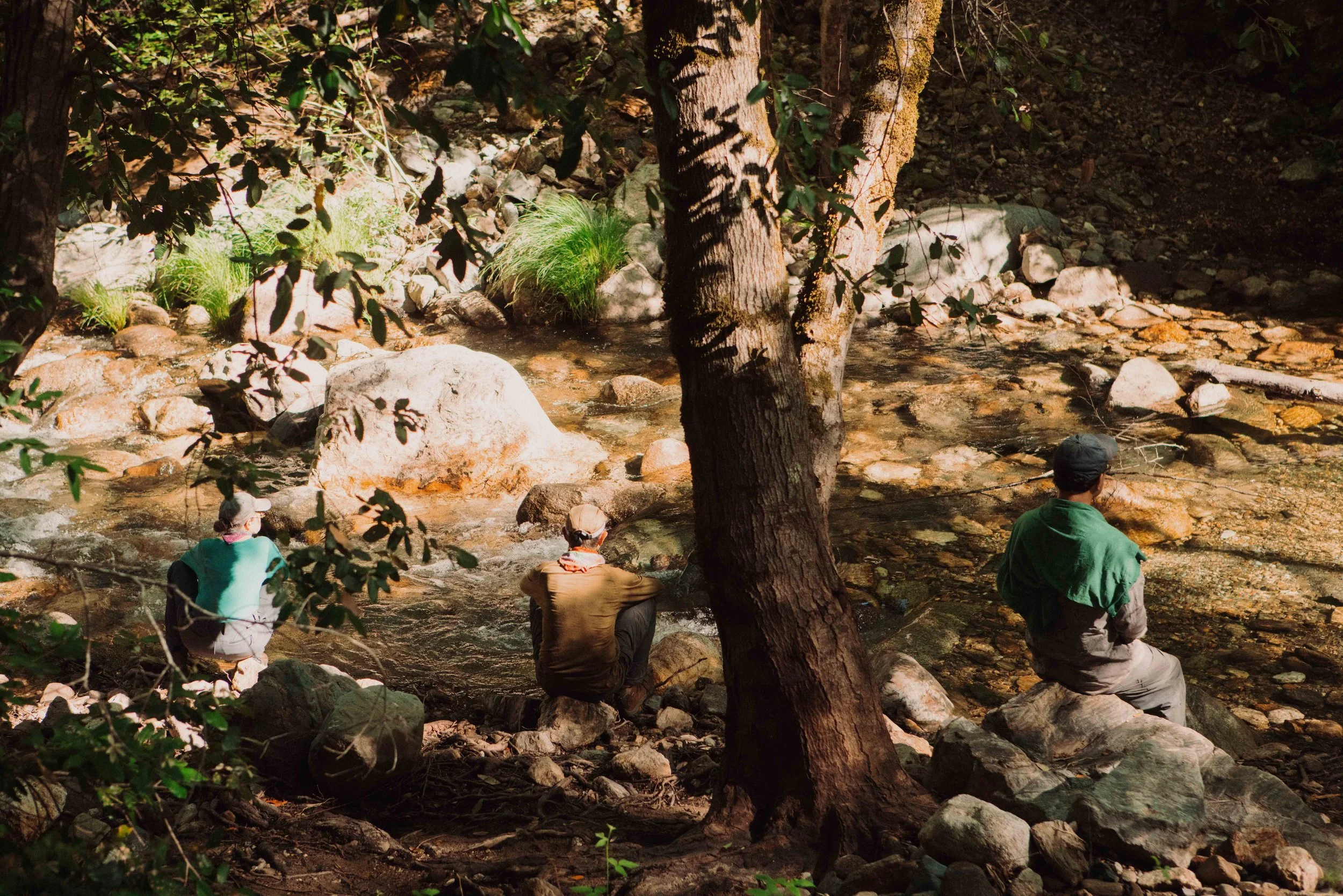
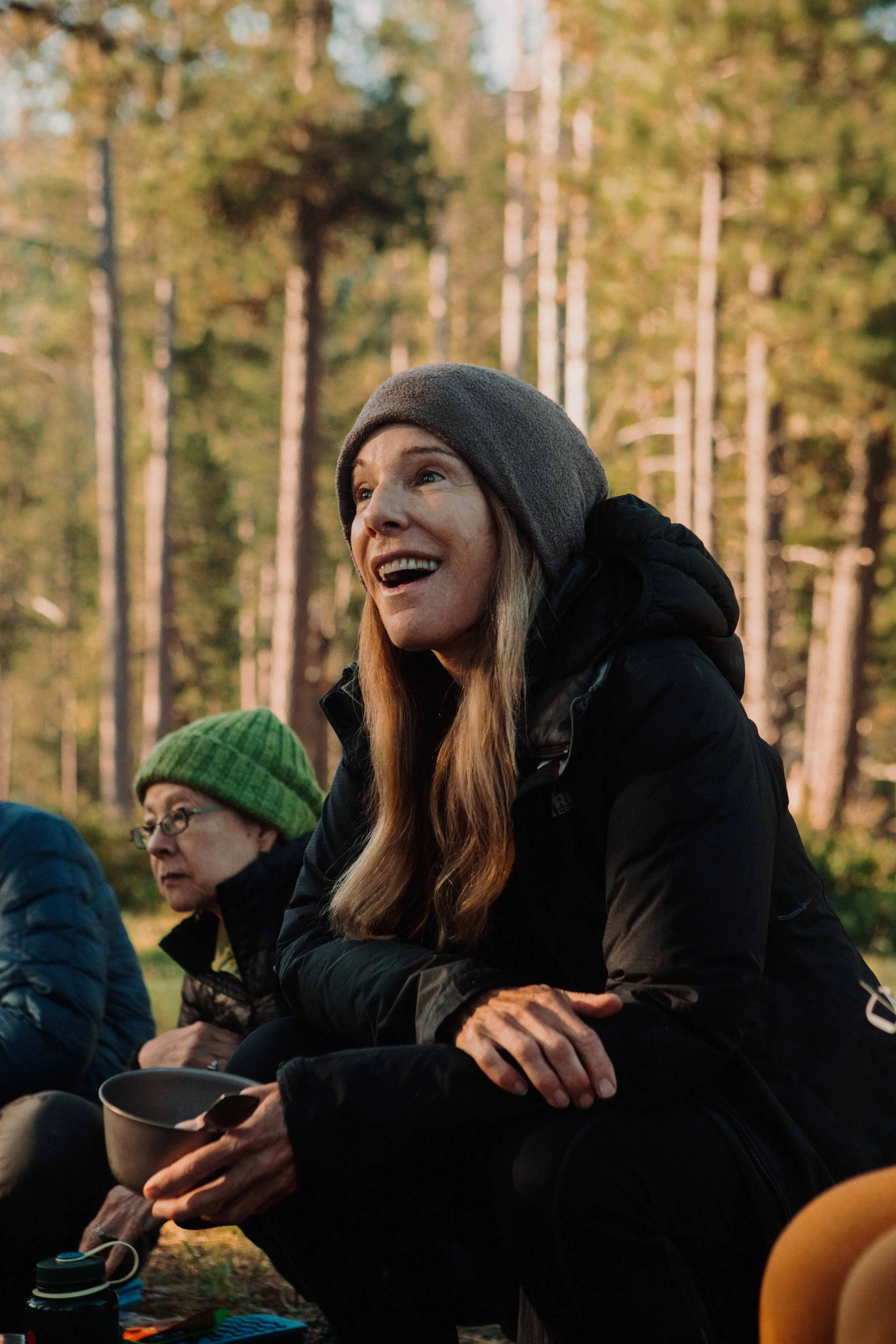
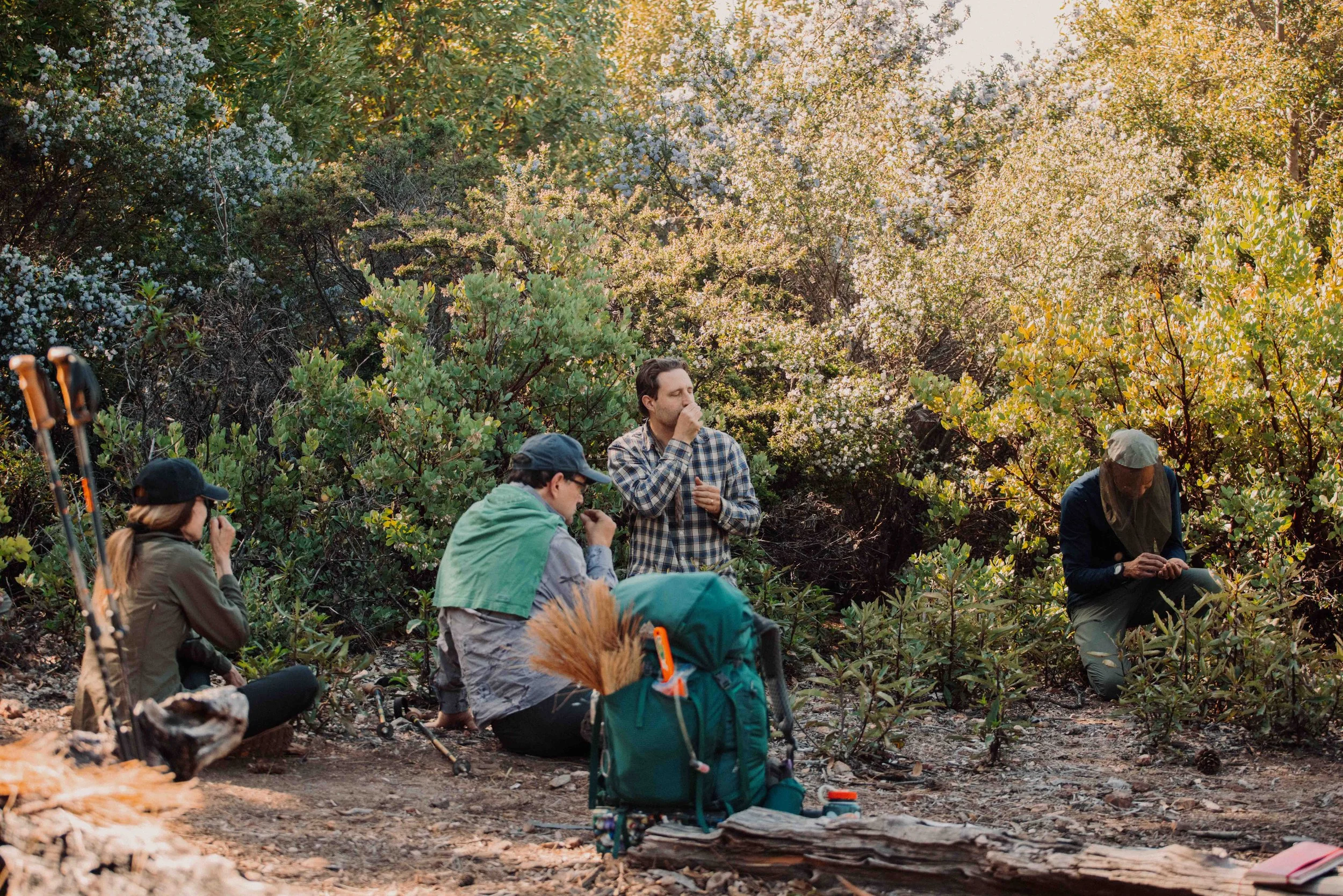
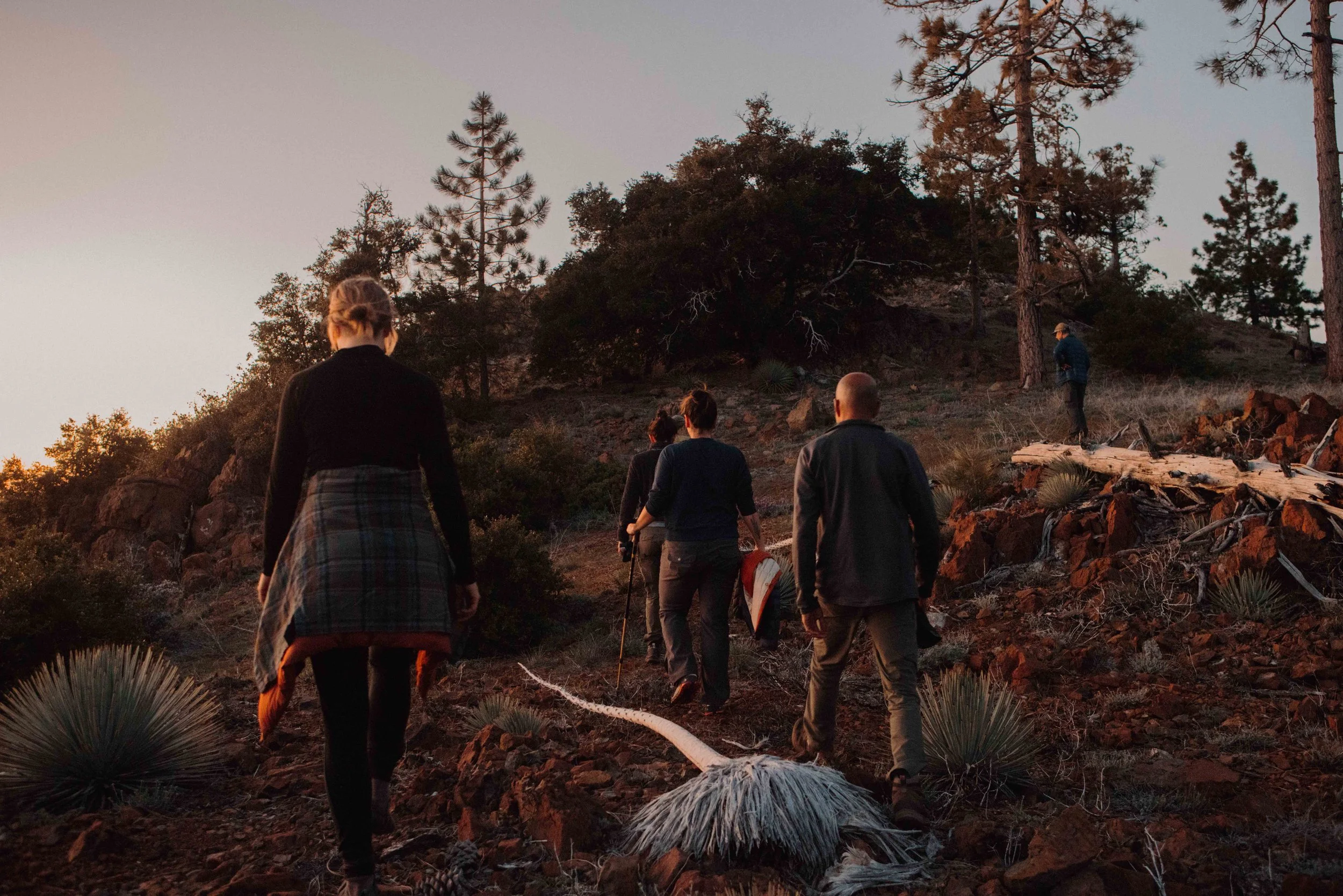
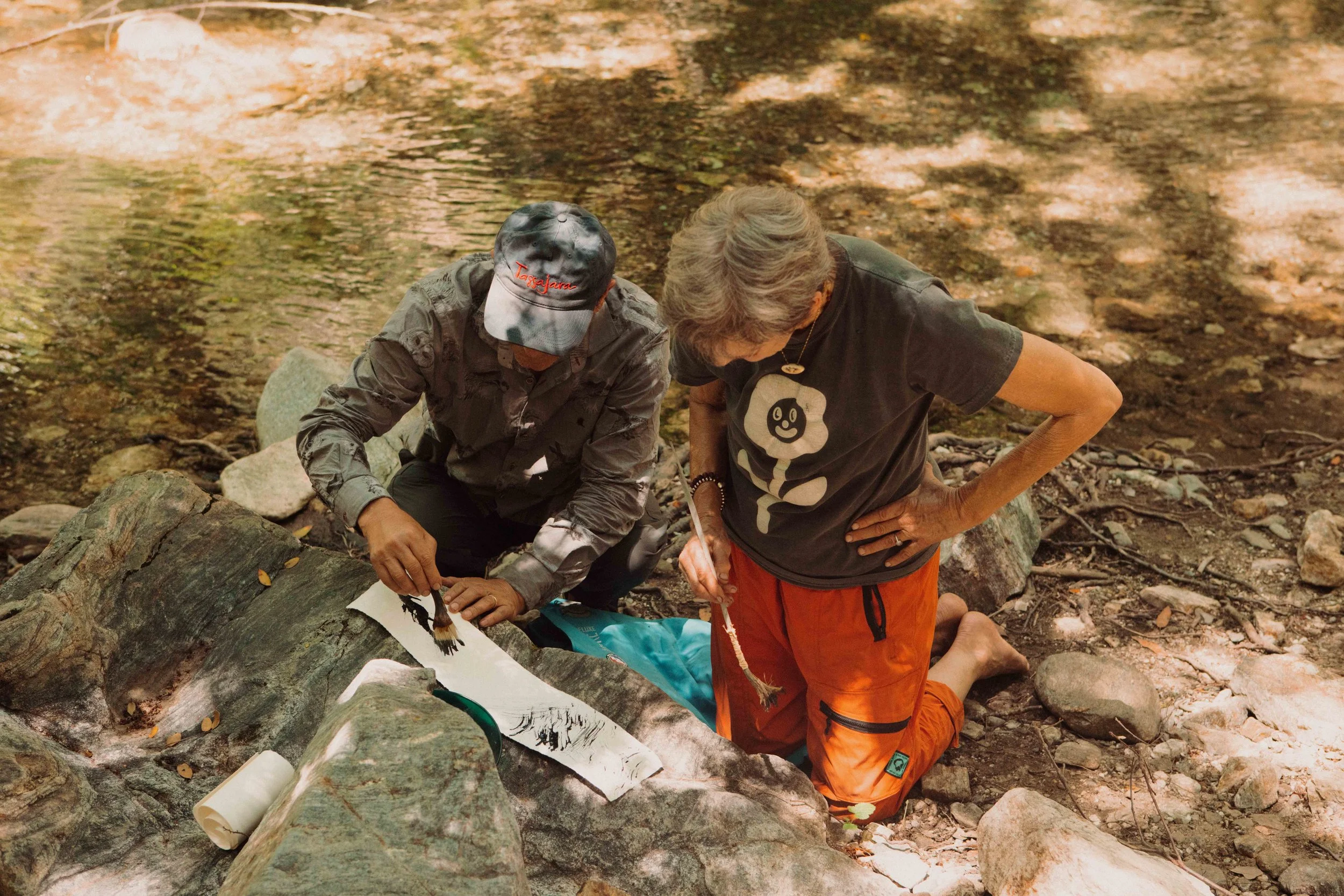
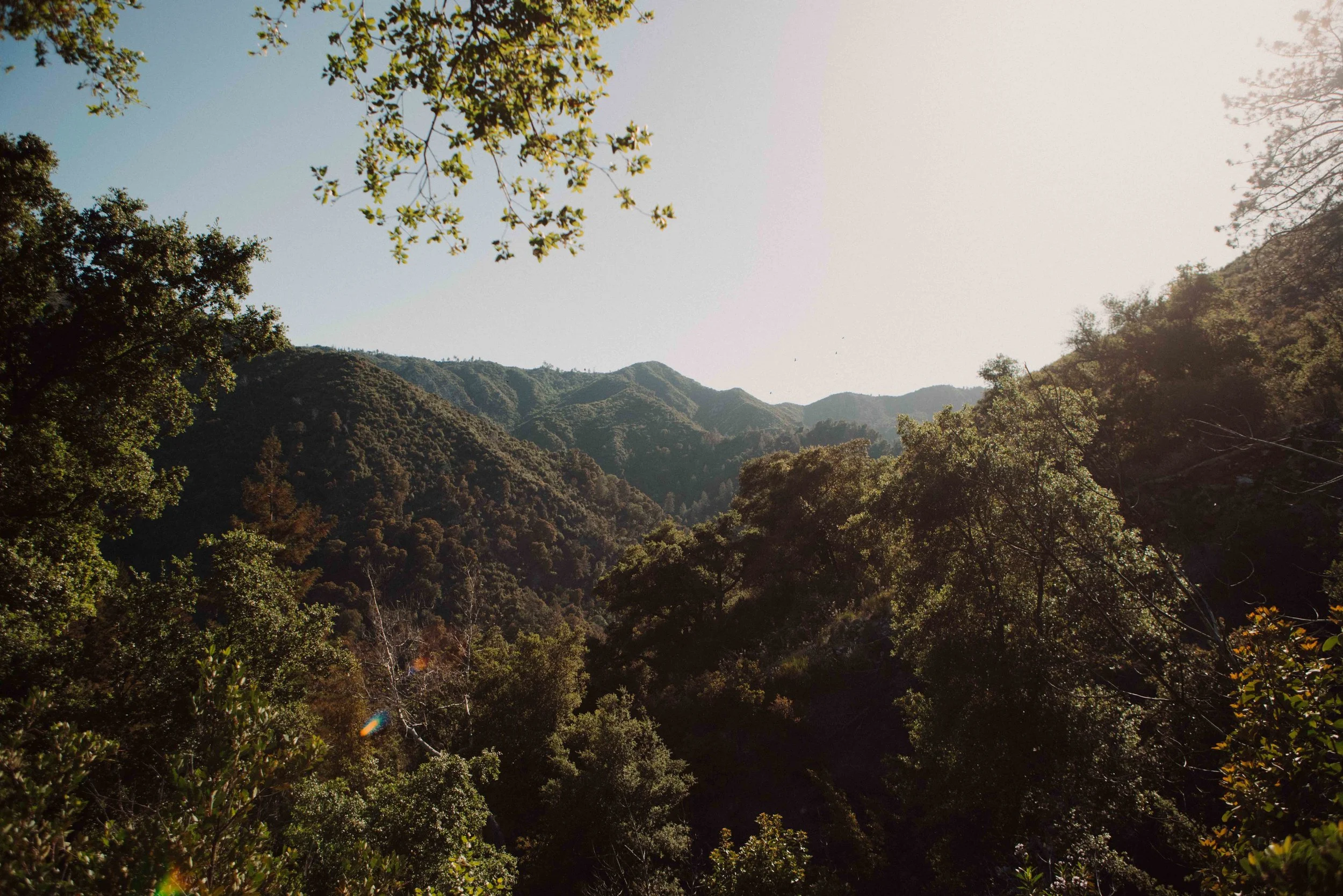
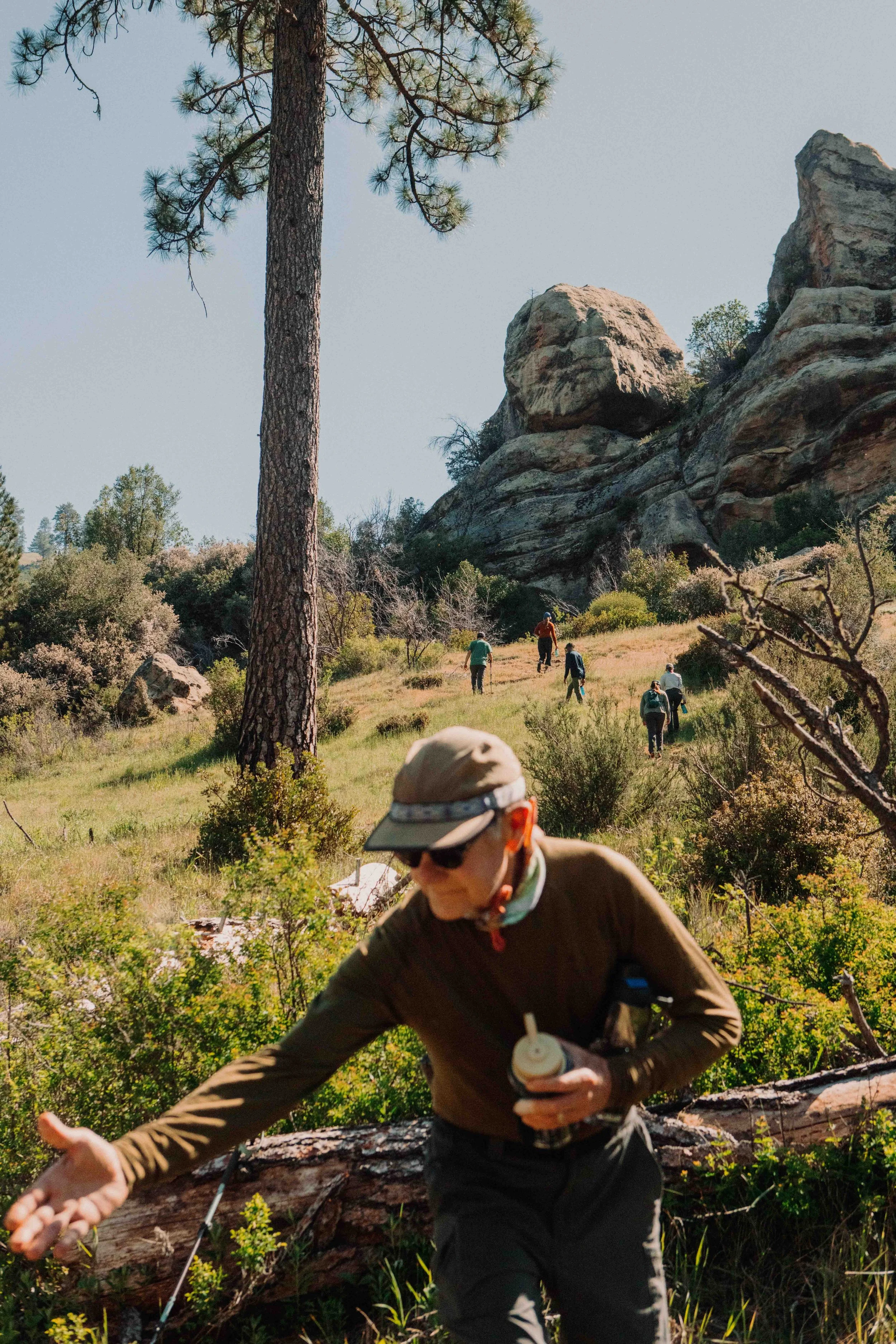
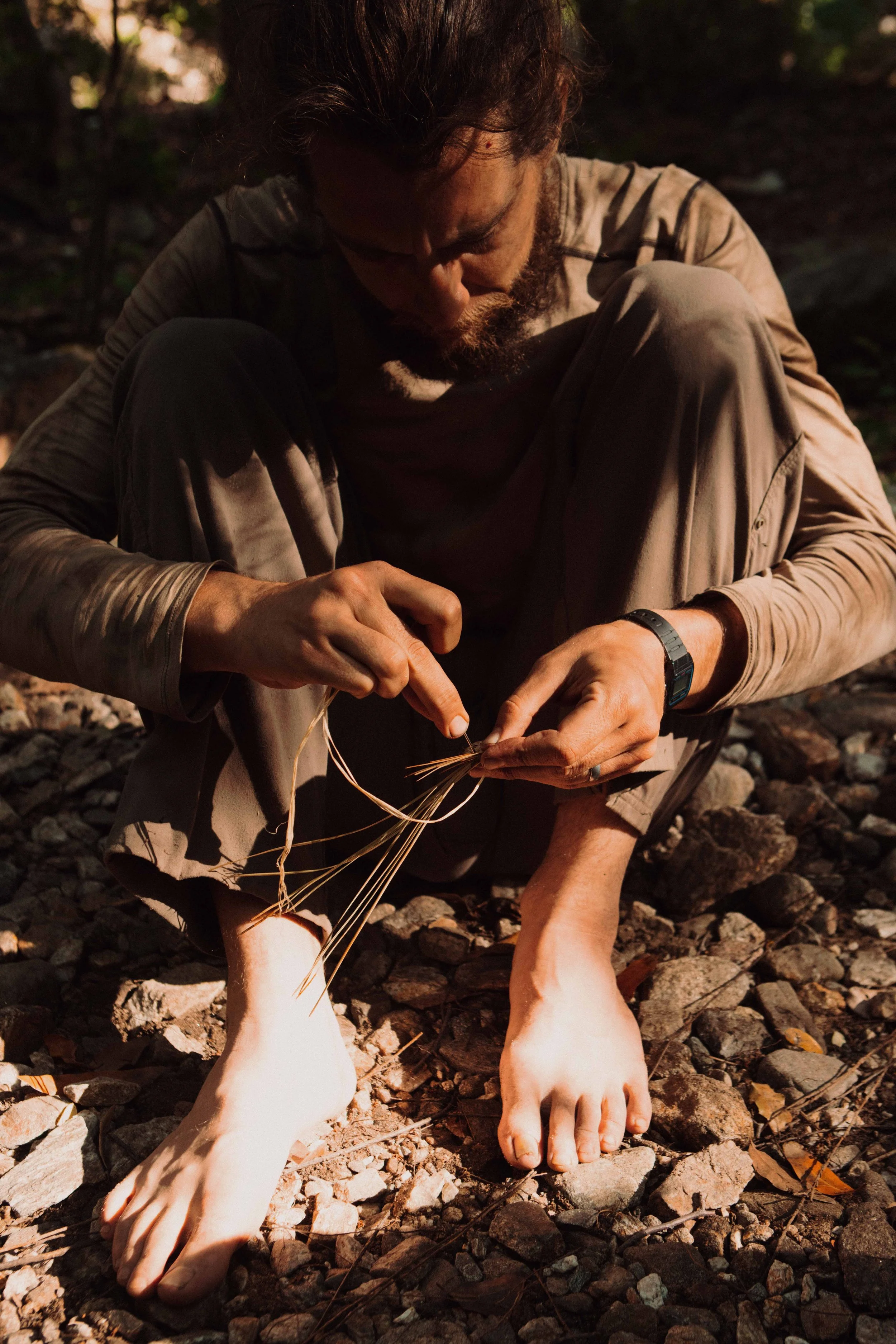
Photos by Brandon Scott Herrell